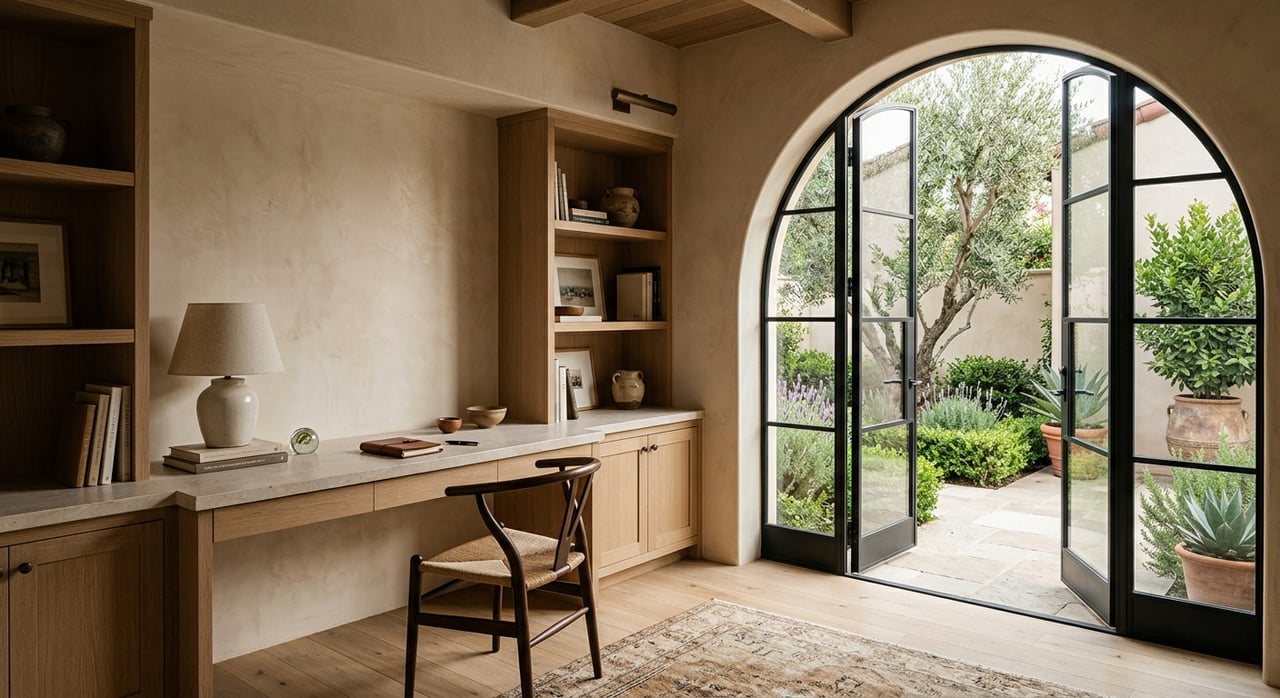
Relocating To Santa Barbara: A Homebuyer's Guide
July 9, 2026
July 9, 2026
Thinking about relocating to Santa Barbara? You are not alone, and you are probably asking the same big questions most buyers do: How competitive is the market, which areas fit your budget, and how do you make smart decisions from out of town? Moving here can be exciting, but it also comes with real planning challenges in a premium, fast-moving market. This guide will help you understand what to expect, how to prepare, and where to focus your time so you can move with more clarity and less stress. Let’s dive in.
Santa Barbara offers a rare mix of coastal living, mild weather, and a relatively compact footprint. According to Census QuickFacts, the city has a population of 86,422 across 19.51 square miles, with a mean travel time to work of 17.3 minutes. That smaller scale can appeal to buyers who want access to daily conveniences without the feel of a sprawling metro.
The climate is also part of the draw. NOAA climate normals show an annual mean temperature of 62.5°F, with winter highs in the mid-60s, summer highs in the upper-70s, about 18.98 inches of annual precipitation, and essentially no snowfall. In practical terms, that means you can plan more for outdoor living and rainy days than for winter weather.
Santa Barbara is a premium housing market, and it helps to approach it that way from the start. Realtor.com reported a median listing price of $2.8 million in May 2026, median days on market of 42, and sale-to-list pricing at roughly 99%. Zillow and Redfin placed median spring 2026 sale prices around $1.8 million to $1.9 million.
For you as a buyer, those numbers suggest two things. First, pricing can be high even before you narrow your search by location or property type. Second, homes can move quickly enough that preparation matters, especially when the right property appears.
One of the biggest mistakes relocation buyers make is treating Santa Barbara like a single price band. It is not. Realtor.com neighborhood data shows a wide range, from about $1.4 million in Eastside to about $8 million in Hope Ranch.
That is why broad city averages only tell part of the story. A better strategy is to compare properties at the address level and evaluate each area based on budget, access, lot characteristics, and your day-to-day priorities.
If you are moving from Los Angeles, the Bay Area, or out of state, your process should be structured before you book flights. In a market where homes sell in about 42 days and often near asking price, preparation can help you avoid rushed decisions.
A practical framework is to break your move into three phases:
This approach gives you time to narrow your search before you arrive, then use in-person time more efficiently.
Before you tour homes, get preapproved with your lender and set a firm budget ceiling. This matters in any market, but especially in Santa Barbara where prices are high and inventory can be selective. A clear budget helps you evaluate tradeoffs quickly when a property checks most, but not all, of your boxes.
Next, rank your priorities. Decide what matters most to you, such as commute convenience, lot size, proximity to the coast, single-level living, or privacy. If you are relocating with children and want to understand school attendance, verify assignment by street address through Santa Barbara Unified rather than assuming a school based on a neighborhood name.
The City of Santa Barbara MAPS portal can also help you do useful early research. It includes district maps, public works projects, construction and land-development layers, parks, creeks and watersheds, and historic-properties data. That kind of information can help you screen locations before you spend time touring in person.
Once you have narrowed your search, plan a concentrated visit with homes grouped by area. Because Santa Barbara is compact, clustering showings can help you compare locations more clearly and reduce wasted time going back and forth across town.
During this trip, look beyond the house itself. Pay attention to parking, traffic flow, street feel, access to daily errands, and how the area functions at different times of day. The city’s transportation resources can also help you compare driving, bus, train, airport, and rideshare options as you think about daily routines.
After your first visit, you may have a much shorter list than you expected. That is normal. Santa Barbara has meaningful variation from one block to the next, and seeing homes in person often sharpens your decision-making quickly.
If a property stands out, be ready to move into deeper due diligence and offer discussions without delay. In a market where homes often sell close to asking price, waiting too long can narrow your options.
A realistic budget is about more than your target purchase price. Census QuickFacts estimates a median owner-occupied home value of $1.57 million, while current listing and sale data show many buyers shopping well above that level depending on location and property style.
You should also plan for temporary housing if your timing is not perfect. Realtor.com reported a median rental price of $6,300 per month and 249 available rentals. That makes it important to budget carefully if you plan to rent before buying.
Do not assume you will have broad short-term rental options while you search. The City of Santa Barbara states that short-term rentals are not permitted in most areas, and the city has had an enforcement program in place since 2023. City materials also show that short-term rental rules continued to be actively refined in 2026.
For most relocation buyers, the more reliable options are hotels, furnished month-to-month housing, or longer-stay leases. If you think you may need temporary housing, it is wise to start early and keep your timeline flexible.
When you relocate to Santa Barbara, neighborhood fit is often about tradeoffs rather than a simple best choice. Since micro-markets vary sharply, your search works better when you compare areas by what they offer within your budget instead of chasing a citywide ideal.
Focus on practical questions like these:
This type of framework can help you stay objective, especially when you are balancing lifestyle goals with financial discipline.
In Santa Barbara, due diligence should always go beyond finishes and floor plans. Parcel-specific review matters, especially for buyers considering foothill, canyon, coastal, or low-lying locations.
Start with wildfire risk. CAL FIRE classifies areas as moderate, high, or very high fire hazard severity zones, and Santa Barbara County maintains wildfire-preparedness resources for residents. If a property is in or near foothill, canyon, or wildland-adjacent terrain, that deserves extra scrutiny.
Flood review is also important. FEMA identifies the Flood Map Service Center as the official source for National Flood Insurance Program flood-hazard information. For coastal or low-lying properties, checking flood-hazard information should be part of your evaluation before you write an offer.
Santa Barbara can change quickly from one parcel to the next. A home’s location may intersect with district boundaries, watershed features, historic-property context, or nearby public works activity in ways that are not obvious from listing photos.
That is why address-level research matters. Use city mapping tools, confirm school attendance areas by street address if relevant to your search, and make sure your decisions are based on the actual property rather than broad assumptions about the surrounding area.
You do not need to rush blindly, but you do need to be ready. With median days on market around 42 and sales happening at roughly 99% of list price, Santa Barbara often rewards prepared buyers more than hesitant ones.
That means having your financing lined up, your must-haves ranked, and your decision criteria defined before the right home appears. A calm, organized process usually leads to better choices than reacting emotionally under pressure.
Relocating to Santa Barbara works best when you combine lifestyle goals with a disciplined plan. The city offers a distinctive coastal setting, mild weather, and a variety of micro-markets, but the buying process tends to reward preparation and local nuance.
If you approach the move with a clear budget, a focused touring strategy, and careful property-level due diligence, you will be in a much stronger position to recognize value when you see it. And when the right home appears, you can move forward with confidence instead of guesswork.
If you are planning a move to Santa Barbara and want a calm, strategic perspective on neighborhoods, pricing, and the buying process, Marisa Garber can help you navigate the search with local insight and thoughtful guidance.
Stay up to date on the latest real estate trends.
Marisa Garber delivers a sophisticated real estate experience rooted in local expertise, thoughtful strategy, and personalized service—guiding clients through Montecito’s market with confidence and ease.