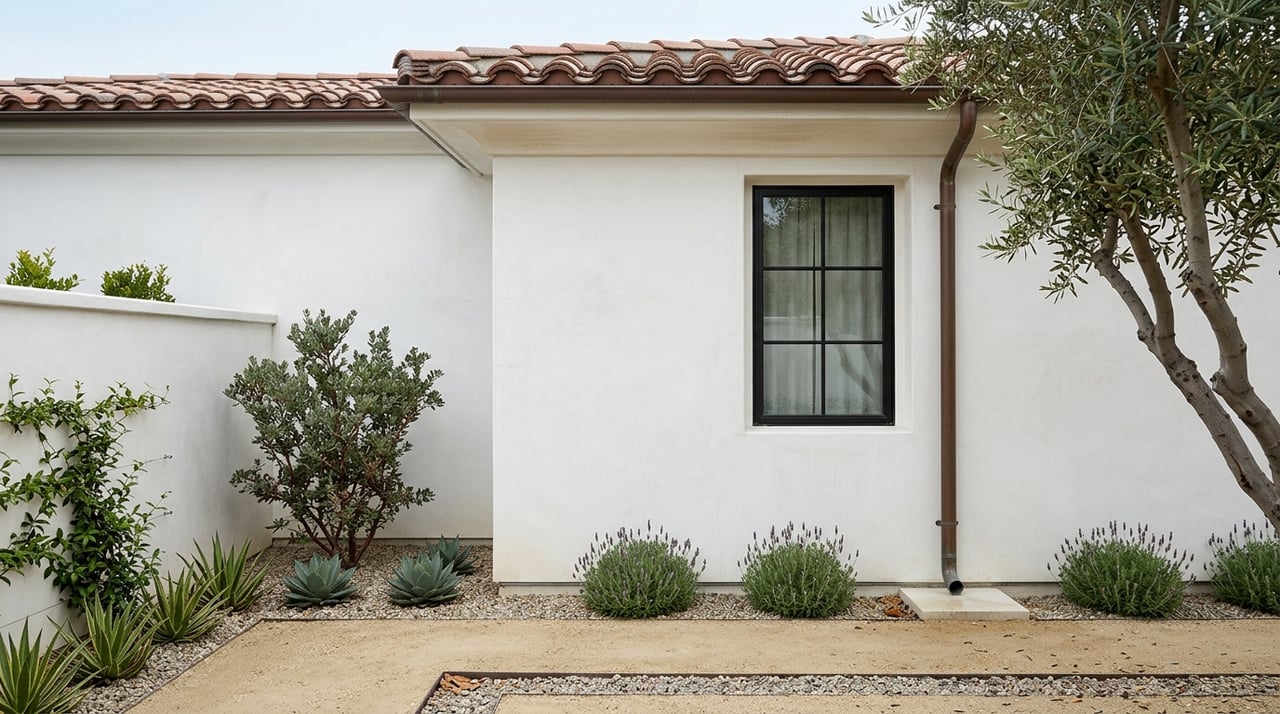
Buying A Home In Summerland: Key Factors To Weigh
May 21, 2026
May 21, 2026
If you are thinking about buying in Summerland, it helps to know this is not a market where every block follows the same rules. Summerland is small, coastal, and highly specific from one parcel to the next, which can make the buying process feel both exciting and more complex. In this guide, you will learn the key factors to weigh before you move forward so you can make a more confident, well-informed decision. Let’s dive in.
Summerland is a Santa Barbara County community plan area located between Santa Barbara and Carpinteria. It is also much smaller than nearby coastal markets many buyers already know. The 2020 Census counted 1,222 residents in Summerland, compared with 8,638 in Montecito, 13,264 in Carpinteria, and 88,665 in the City of Santa Barbara.
That smaller scale matters in practical ways. You may see fewer available homes, more variation in lot shape and home style, and less of the predictability you might expect in a larger neighborhood or subdivision. In Summerland, each property deserves its own analysis.
Another important difference is planning oversight. Summerland falls within a county community-plan framework, which means county-level planning rules and coastal land-use considerations can carry real weight in your purchase decision. If you are used to a more straightforward inland neighborhood, this can be a meaningful adjustment.
Summerland’s climate is one reason buyers are drawn here. Using Santa Barbara station data as a South Coast proxy, NOAA reports an average daily high of 71.9°F, an average daily low of 53.2°F, and annual precipitation of 18.98 inches. The weather is mild overall, but rainfall is more concentrated in late fall and winter than spread evenly across the year.
For you as a buyer, that means the climate story is not just about sunshine. Drainage, moisture exposure, and runoff can all matter, especially during storm season. A home that looks effortless on a dry day may still require a closer look when winter weather enters the picture.
Summerland’s coastal hazards are also highly site-specific. Santa Barbara County’s sea-level-rise and coastal-hazard vulnerability work found that unincorporated coastal areas can face coastal erosion, dune erosion, and flooding, with outcomes shaped by topography, shoreline conditions, wave run-up, and whether shoreline armoring exists.
In simple terms, location within Summerland matters a great deal. A bluff-edge lot, a lower-lying parcel, and a home set farther inland may all have very different risk profiles, even if they are only a short distance apart. That is why broad assumptions rarely work here.
One of the biggest factors to weigh in Summerland is the parcel itself. Planning sources referenced by the county explain that the town was originally subdivided in 1888 with very small tent lots on a steep slope north of Highway 101. Those historic patterns still affect what is easy, difficult, or costly to do with property today.
When you evaluate a home, look beyond the square footage and finishes. Lot size, shape, slope, access, and usable outdoor area may affect daily function, future plans, and long-term costs just as much as the house itself. In Summerland, the land often tells a large part of the story.
This becomes especially important if you are considering a remodel, an addition, or an accessory dwelling unit. A property may feel full of potential at first glance, but steep terrain, tight setbacks, or awkward access can change what is realistic.
Most of the Summerland planning area sits inside the coastal zone. Only 22 parcels northeast of Ortega Ridge Road are outside it, according to the planning source cited in the research. That means many buyers need to pay close attention to coastal permitting issues.
The California Coastal Commission states that development in the coastal zone generally may not begin until a Coastal Development Permit is issued. It also defines development broadly, including construction, grading, and subdivision activities. For buyers, this means even work that seems minor can deserve a second look.
Permit history becomes especially important in this setting. Before you remove contingencies, it is wise to verify whether past additions, decks, retaining walls, drainage work, fences, or grading were properly permitted. If improvements were done long ago or changed hands several times, clarity matters.
In Summerland, utility research should be part of your early due diligence. Montecito Water District states that it provides water service to Montecito and Summerland. The Summerland Sanitary District handles wastewater collection, treatment, and disposal within its district boundaries.
The sewer district also notes that property owners are responsible for connections and laterals at their own expense. If you are planning new construction, an addition, an ADU, or a septic conversion, the district says buyers should confirm instructions, permits, and service availability in advance.
This is one of those details that can materially affect your budget. A beautiful property may still require added utility-related costs or verification before your renovation plans become practical. In a small coastal community, those details are not minor.
Summerland’s appeal does not remove the need for hazard review. The research recommends checking FEMA flood maps by address and treating flood-zone status as a real insurance and underwriting factor, not just a box to check. In a coastal location, that is a practical step.
Wildfire exposure should also be part of your review. Santa Barbara County fire guidance and local fire-hazard severity mapping are important tools when you assess ownership costs and preparedness. Even if a home feels sheltered or established, hazard classification can still influence your planning.
The key is to stay factual and parcel-specific. Rather than assuming all homes in Summerland share the same exposure, review each address on its own merits and confirm what those findings mean for insurance, maintenance, and peace of mind.
If you are comparing Summerland with nearby options, it helps to frame the tradeoffs clearly. Summerland is smaller and generally less estate-oriented than Montecito. It is also smaller and more village-like than Carpinteria, while offering fewer urban conveniences than the City of Santa Barbara.
For many buyers, the draw is the setting and character. Summerland can offer a quieter, more compact beach-town feel, but that often comes with tighter lot constraints, more permitting complexity, and a greater need for careful property-level diligence.
This is where a disciplined buying approach matters. If you are balancing lifestyle goals with long-term asset quality, Summerland can be compelling, but it rewards buyers who look carefully at the details before they get attached to the view.
Summerland purchases often benefit from a more structured review process. Because parcel variation is high, a calm and analytical approach can help you avoid expensive assumptions.
Here is a practical checklist based on the research:
None of this means Summerland is a market to avoid. It means Summerland is a market to approach with care. Buyers who understand the local framework are usually in a stronger position to evaluate both the lifestyle upside and the practical realities of ownership.
If you are considering a Summerland purchase, the right guidance can help you separate true opportunity from avoidable risk. Marisa Garber brings a calm, finance-informed approach to buying across Summerland and the greater Santa Barbara area, with the local perspective needed for nuanced coastal decisions.
Stay up to date on the latest real estate trends.
Marisa Garber delivers a sophisticated real estate experience rooted in local expertise, thoughtful strategy, and personalized service—guiding clients through Montecito’s market with confidence and ease.