Positioning Your Carpinteria Home For A Successful Sale
May 14, 2026
May 14, 2026
Wondering why some Carpinteria homes attract strong interest quickly while others linger, even in a high-value coastal market? If you are thinking about selling, the answer is often less about broad market headlines and more about how well your home is prepared, priced, and presented for its exact location and property type. In this guide, you will learn how to position your Carpinteria home with clarity, discipline, and local context so you can enter the market with confidence. Let’s dive in.
Carpinteria is a compact coastal city with a distinct identity, and that matters when you sell. The city had an estimated 12,876 residents in 2024, 5,138 households, and a 61.5% owner-occupied housing rate, all within a community that emphasizes its small-town coastal character.
That local identity shapes buyer expectations. In a market like this, buyers are not just comparing square footage and bedroom count. They are also weighing setting, upkeep, neighborhood context, and whether a home feels true to Carpinteria’s beach-town environment.
The pricing backdrop is strong, but not uniform. As of spring 2026, reported medians ranged from about $1.45 million in Zillow list-price data to $1.647 million in Redfin sale-price data, while days on market ranged from 29 to 51 days depending on the source. That spread is a useful reminder that citywide averages only tell part of the story.
In Carpinteria, neighborhood-level variation is meaningful. Realtor.com reported median listing prices near $1.18 million in Downtown Beach and Downtown-Old Town, compared with roughly $1.63 million in Serena Park. If you want to position your home well, broad city numbers should not drive your strategy on their own.
Instead, your home should be evaluated against a tight set of comparable properties. That means looking closely at your immediate area, your lot and location, your property type, and how your home compares to other recent listings and sales nearby. A beach-adjacent cottage, an interior single-family home, and a home in a more premium pocket should not be marketed exactly the same way.
This is where an analytical approach helps. Rather than chasing a headline number, you are better served by a pricing and presentation strategy built around the homes buyers will actually compare yours to.
Carpinteria has a mix of housing types, especially in coastal areas. The Beach Neighborhood guidelines describe single-family homes, multi-unit buildings, and the Silver Sands Mobile Home Park, which means there is no one-size-fits-all formula for preparing a listing.
Your strategy should reflect what your home actually is. A beach cottage may benefit from a lighter, simpler presentation that highlights charm and outdoor use, while a larger coastal residence may need a more polished approach that supports scale, flow, and finish quality. The goal is not to stage to a trend. It is to present the home in a way that feels clean, authentic, and easy to understand.
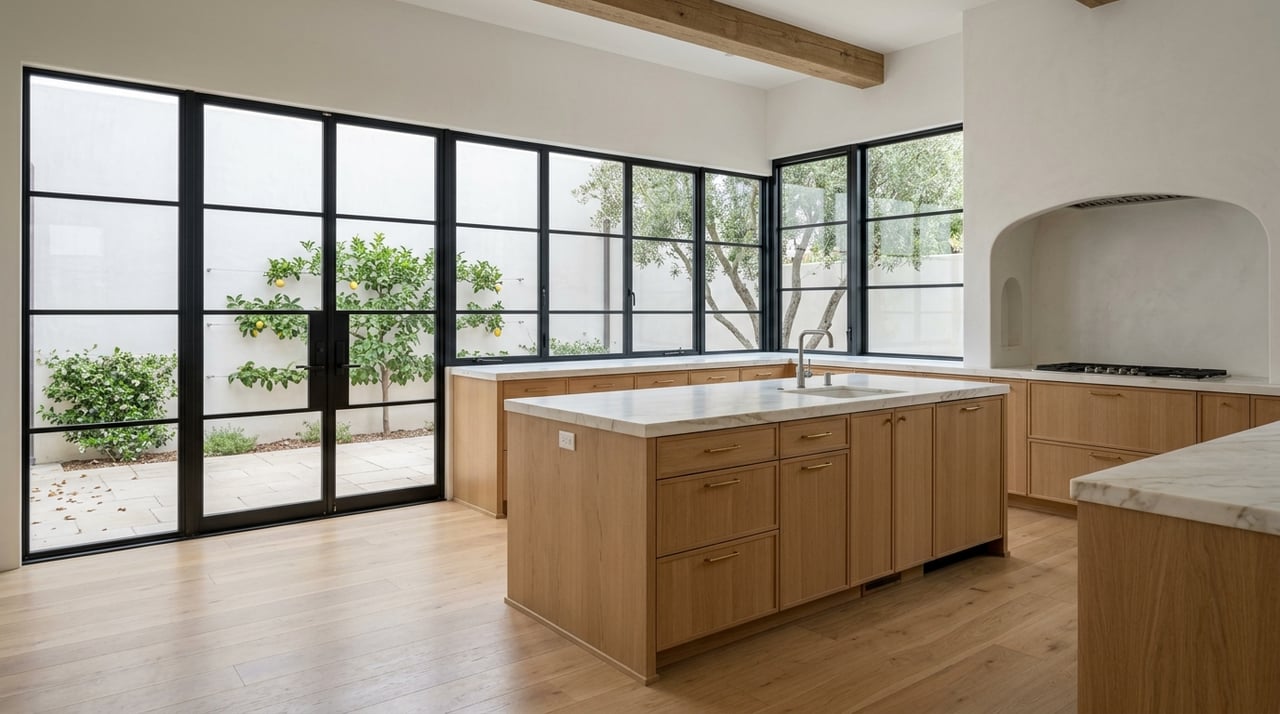
For many Carpinteria sellers, the most effective presentation is bright, uncluttered, and move-in ready. That is especially important in a premium market where buyers often make fast judgments from photos before deciding whether to schedule a showing.
National staging data offers a helpful framework here. In the 2025 NAR staging survey, the most common recommendations to sellers were:
Those basics matter because they help buyers picture themselves in the space. The same report found that 83% of buyers’ agents said staging made it easier for buyers to envision a property as their future home.
In Carpinteria, that often means keeping the look fresh and restrained. Clean surfaces, edited rooms, natural light, and usable exterior areas usually resonate more than heavy styling or highly personal decor. You want buyers to notice the home itself, not the distractions around it.
If you are weighing professional staging, the same NAR report found a median direct-to-stager cost of $1,500. That can be a useful benchmark if you are deciding between partial staging, full staging, or a lighter refresh focused on key rooms.
Because Carpinteria sits directly on the Pacific, exterior condition carries extra weight. The city’s coastal resilience planning points to risks including coastal flooding, erosion, severe storm events, and sea-level rise, so buyers are often attentive to signs of wear that may be easier to overlook in an inland market.
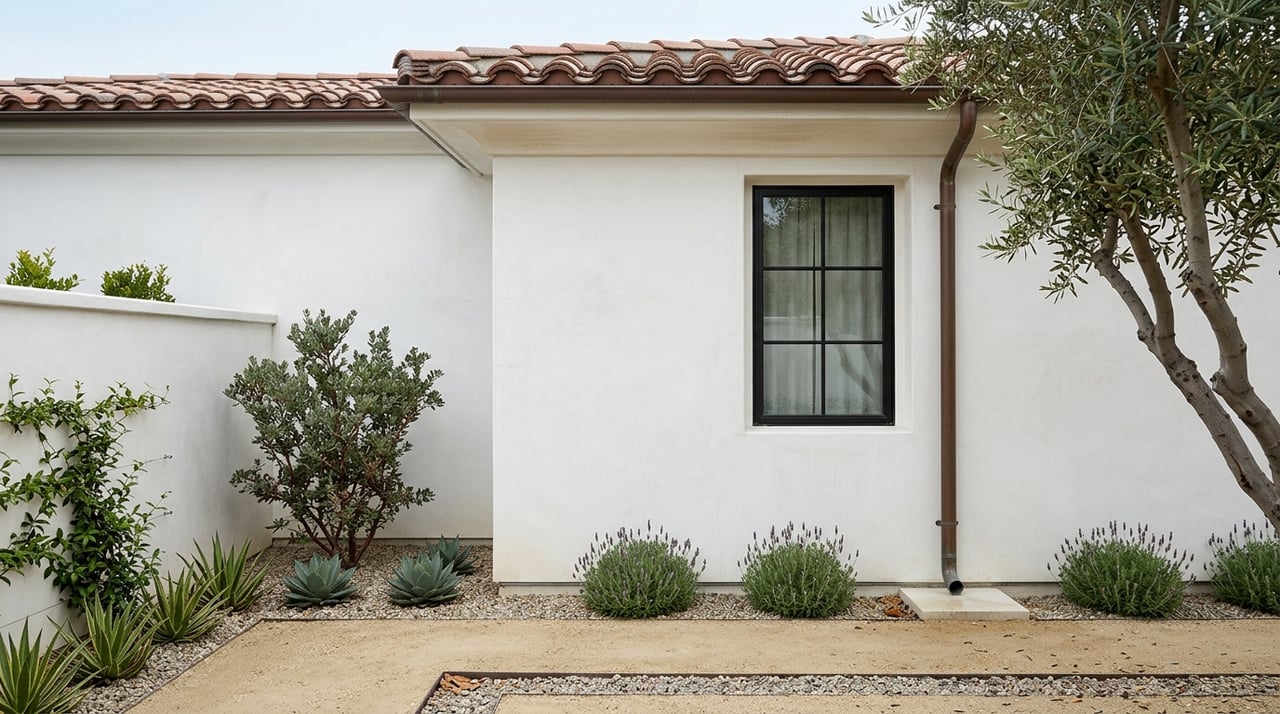
Before listing, it is smart to evaluate the exterior with care. Pay attention to paint, wood trim, railings, drainage, roof edges, doors, windows, and any visible corrosion or moisture damage. Even small deferred-maintenance items can affect first impressions and invite tougher questions during escrow.
This does not mean every seller needs a major renovation. It does mean that visible maintenance and thoughtful repair work can support a more confident buyer response.
For homes in or near the Beach Neighborhood, local design guidance offers useful context. The city’s guidelines emphasize compatibility with surrounding homes, appropriate scale and massing, frontage design, landscaping, lighting, and utilities. They also specifically support the small beach-town image and note a preference for visible pitched roofs rather than boxier forms that can dominate the street.
Why does that matter when you are selling? Because buyers in Carpinteria often respond to homes that feel connected to the setting. Presentation should highlight what fits naturally within the neighborhood rather than trying to market the property with generic coastal language that could apply anywhere.
Authenticity is powerful here. A well-kept home that feels aligned with its street and setting may land better than one that tries too hard to feel flashy or overproduced.
A smooth sale usually starts long before the sign goes up. Carpinteria’s Planning Division oversees zoning information, architectural review, and permit processing, so it is wise to gather your records early, especially if you have completed additions, decks, window changes, or exterior remodeling.
Try to assemble:
This kind of preparation can reduce surprises and build trust. In a market where buyers are often making significant financial decisions, clear documentation helps support the story that the home has been cared for responsibly.
One of the biggest seller mistakes in a premium market is assuming demand will solve an imprecise price. Carpinteria’s data suggests the opposite. When citywide prices and days on market vary by source, and neighborhoods show meaningful spread, pricing discipline becomes essential.
A strong strategy balances ambition with evidence. That means looking at the most relevant comparable homes, adjusting for location and condition, and deciding how your home should compete based on what buyers can see and choose right now. Pricing is not just about value in theory. It is about position within the active market.
This is especially important if your goal is a low-drama sale. Realtor.com’s 2026 seller survey found that 83% of potential sellers expect to receive asking price or more, but 39% also expect to make concessions. That tension is a good reason to make thoughtful pricing and repair decisions upfront rather than reacting under pressure later.
Many sellers ask when they should list. National research points to spring, but the exact timing varies. Realtor.com identified April 12 through 18 as the best week to list in 2026, while Zillow pointed to late May nationally and noted that expensive West Coast markets often peak earlier.
The more practical takeaway for Carpinteria is simple: start early and launch when the home is fully ready. Zillow also reported that most people begin thinking about selling three to four months before they list, which is a useful planning window if you need time for repairs, staging, photography, and paperwork.
In other words, do not force the calendar. A well-prepared home launched at the right moment will usually outperform a rushed listing that reaches the market before it is ready.
Online presentation matters. NAR’s 2025 staging report found that photos, videos, and virtual tours were highly valued in listings, which lines up with how many buyers begin their search.
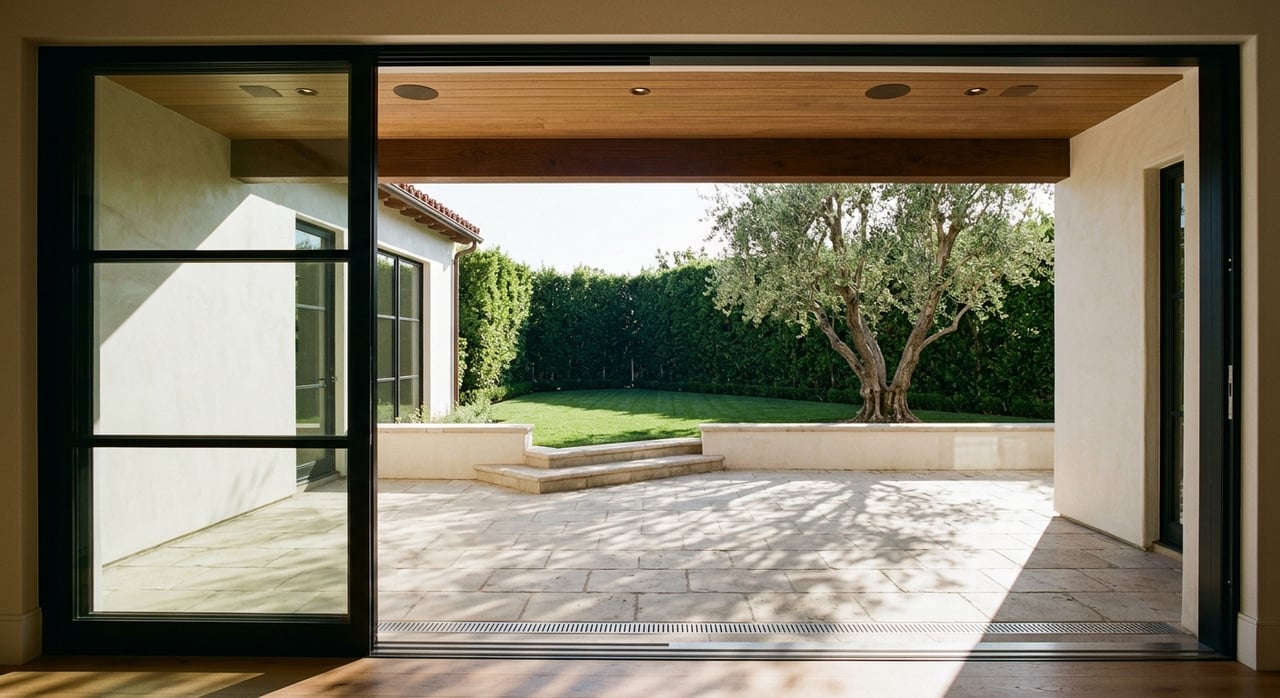
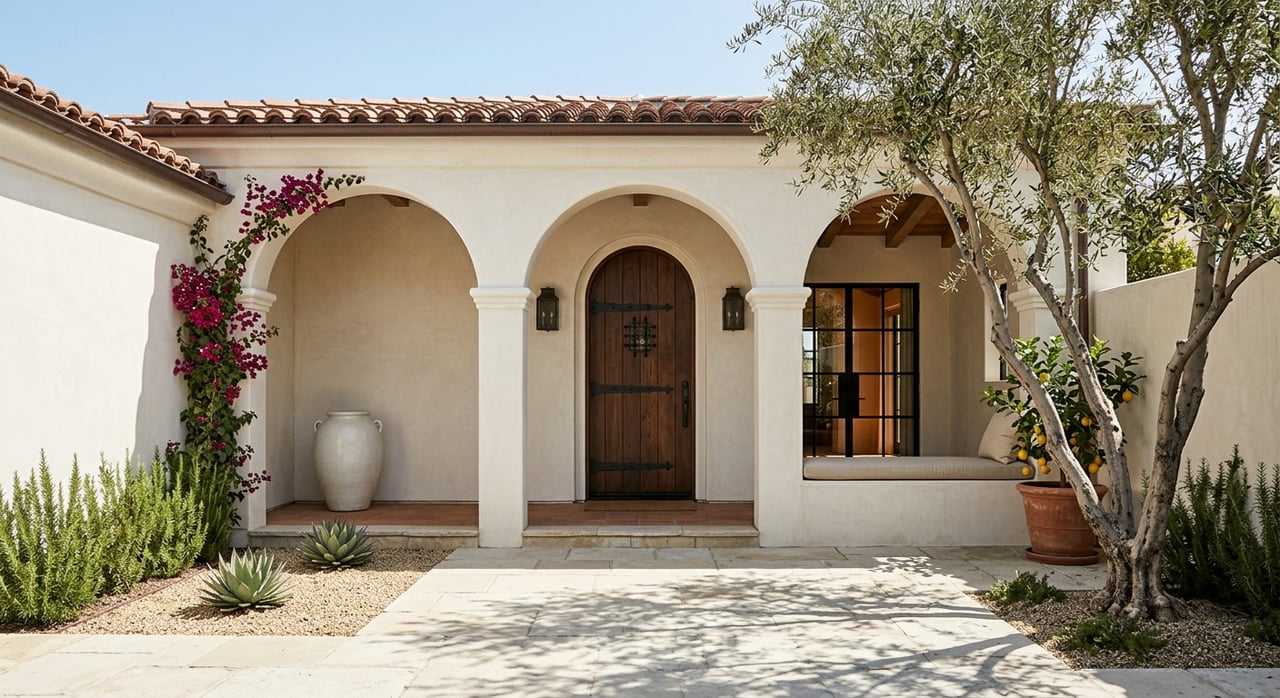
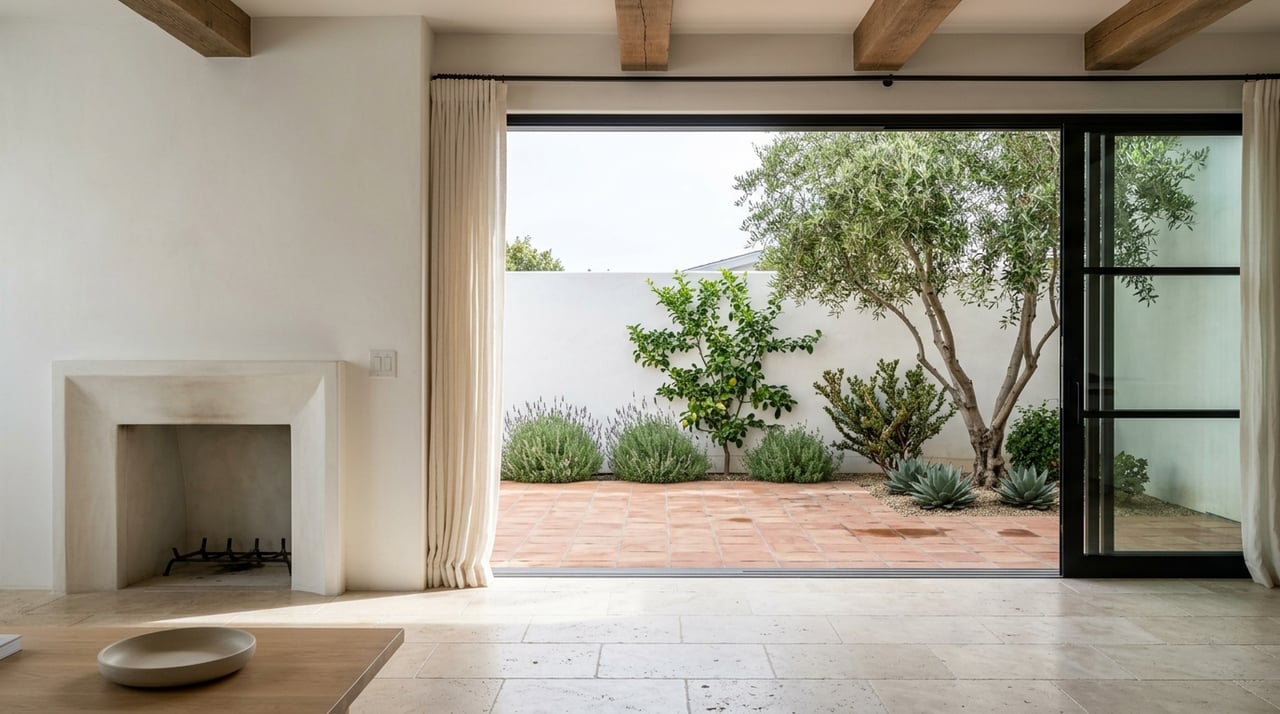
For a Carpinteria home, your marketing should focus on accurate, polished visuals and clear local positioning. Strong exterior photos are especially important, along with images that show light, layout, and any indoor-outdoor flow. The message should be specific to the home’s submarket and setting, not padded with vague lifestyle wording.
In a place like Carpinteria, buyers tend to respond to credibility. A listing that looks well prepared, clearly documented, and honest about its strengths often creates more confidence than one that overreaches.
California disclosure requirements are a key part of positioning your home for a successful sale. The California Department of Real Estate states that the Real Estate Transfer Disclosure Statement describes the property’s condition and must be delivered to a prospective buyer as soon as practicable and before transfer of title.
Depending on the property, other required disclosures may matter too. California law requires a Natural Hazard Disclosure Statement when a parcel is located in mapped hazard areas, and federal law requires known lead-based paint disclosure before contract signing for most homes built before 1978.
In Carpinteria, these topics can carry added relevance because coastal flooding, erosion, storm exposure, and updated fire hazard mapping are part of the local planning environment. If your home is beach-adjacent or in a hillside area, buyers may ask early about hazard zones, maintenance history, and mitigation steps. Being prepared can help keep the process calm and credible.
In Carpinteria, strong positioning is usually not about abstract luxury. It is about making the home feel well maintained, well documented, and thoughtfully priced for its exact setting.
That means:
When those pieces come together, buyers can focus on what matters most: the home, the setting, and the opportunity.
Selling in a nuanced coastal market takes both local judgment and a steady process. If you are considering a move in Carpinteria, working with a calm, analytical advisor can help you make smart decisions before your home ever hits the market. To start the conversation, connect with Marisa Garber.
Stay up to date on the latest real estate trends.
Marisa Garber delivers a sophisticated real estate experience rooted in local expertise, thoughtful strategy, and personalized service—guiding clients through Montecito’s market with confidence and ease.