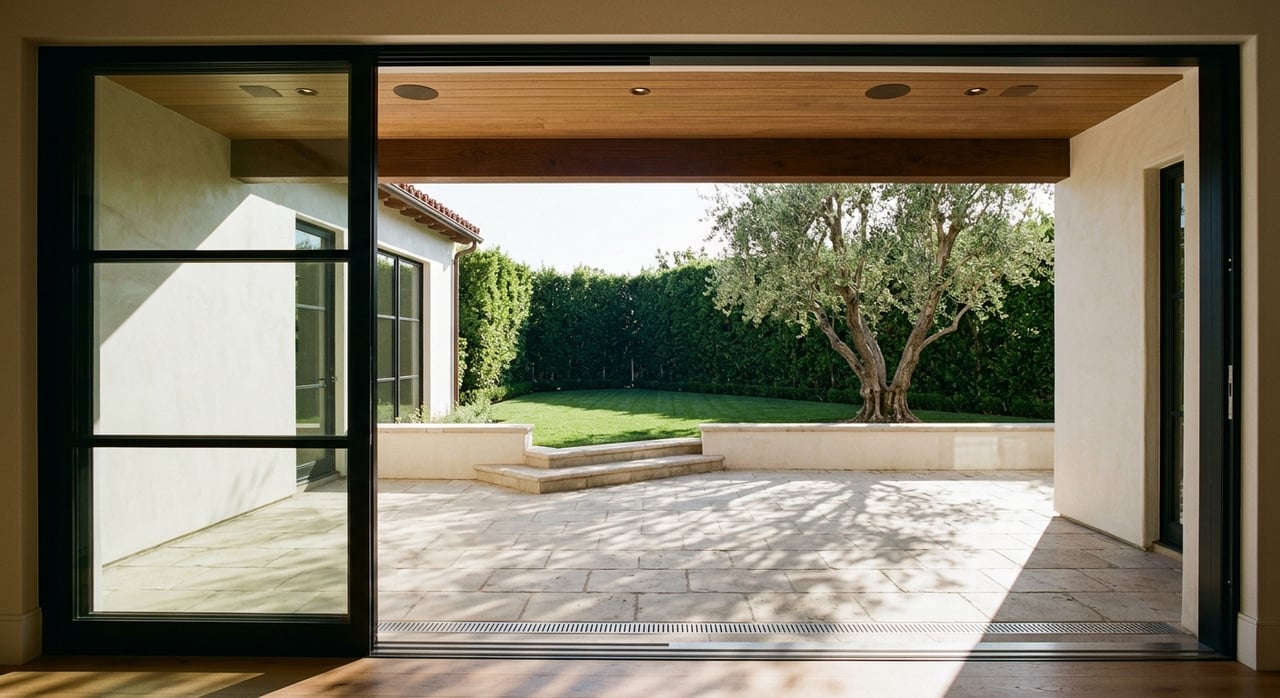
A Montecito Estate Value Framework for Smart Decisions
June 18, 2026
June 18, 2026
Wondering why two Montecito estates with similar square footage can trade at very different prices? In this market, value is rarely about size alone. If you want to think like an investor, you need to look past finishes and into the land, the constraints, and the long-term cost of owning the property well. Let’s dive in.
In Montecito, the lot is often the first driver of value. The local planning framework is designed to preserve the area’s semi-rural character, protect privacy and views, and limit the intensity of development. That means parcel rules, site conditions, and what the land can realistically support matter from the start.
Acreage alone does not tell the full story. A larger parcel with steep slopes, limited access, or major site constraints may be less functional than a smaller lot with better usability. When you evaluate estate value like an investor, you want to ask how much of the site is truly usable and how easily the property supports comfortable living without major compromise.
Montecito is not one uniform market. Its different sub-areas have distinct physical traits, and those traits can shape both pricing and future costs.
The Central Urban area is mostly made up of single-family homes on lots of one acre or larger. The community plan notes about 2,200 units and 500 vacant parcels ranging from 0.3 to 84 acres, along with historic estates, narrow winding roads, and the Village as Montecito’s primary commercial center.
For valuation, this means you should look closely at lot layout, access, privacy, and how the home sits on the site. In this area, a well-planned estate on a usable acre can compare favorably against a larger but less efficient parcel.
The Coastal sub-area covers about 290 acres between Highway 101 and the Pacific Ocean. It includes cottages, duplexes, beachfront residential areas, hotels, and clustered development, and all parcels in this section sit within the Coastal Zone.
That context matters because coastal location can bring a distinct value profile. When you compare properties here, you should weigh location benefits alongside parcel-specific constraints and the practical realities of improving or maintaining the site.
The Mountain sub-area is the most topographically constrained. It spans 9,984 acres, has average slopes above 40 percent, is described in the community plan as having extreme fire hazard, and has very limited road access and public services.
For buyers and sellers, that means mountain acreage often needs a more careful lens. A dramatic hillside setting may be appealing, but investor-style valuation should account for slope, access, maintenance burden, and the way those factors affect daily use and long-term ownership.
In Montecito, one of the most useful questions is simple: how much of this lot actually works well? A parcel may look impressive on paper, but steep terrain, awkward configuration, easements, and access limitations can reduce its practical utility.
The local planning framework ties land use and maximum density to individual parcels. Because of that, value often follows usable site area, not just total lot size. Investors tend to pay for what can be enjoyed, maintained, and supported by the land without excessive grading or functional tradeoffs.
Privacy and views are not just lifestyle perks in Montecito. They are built into the local planning goals. The community plan specifically calls for protecting residential privacy, public views, and private views of the mountains and ocean.
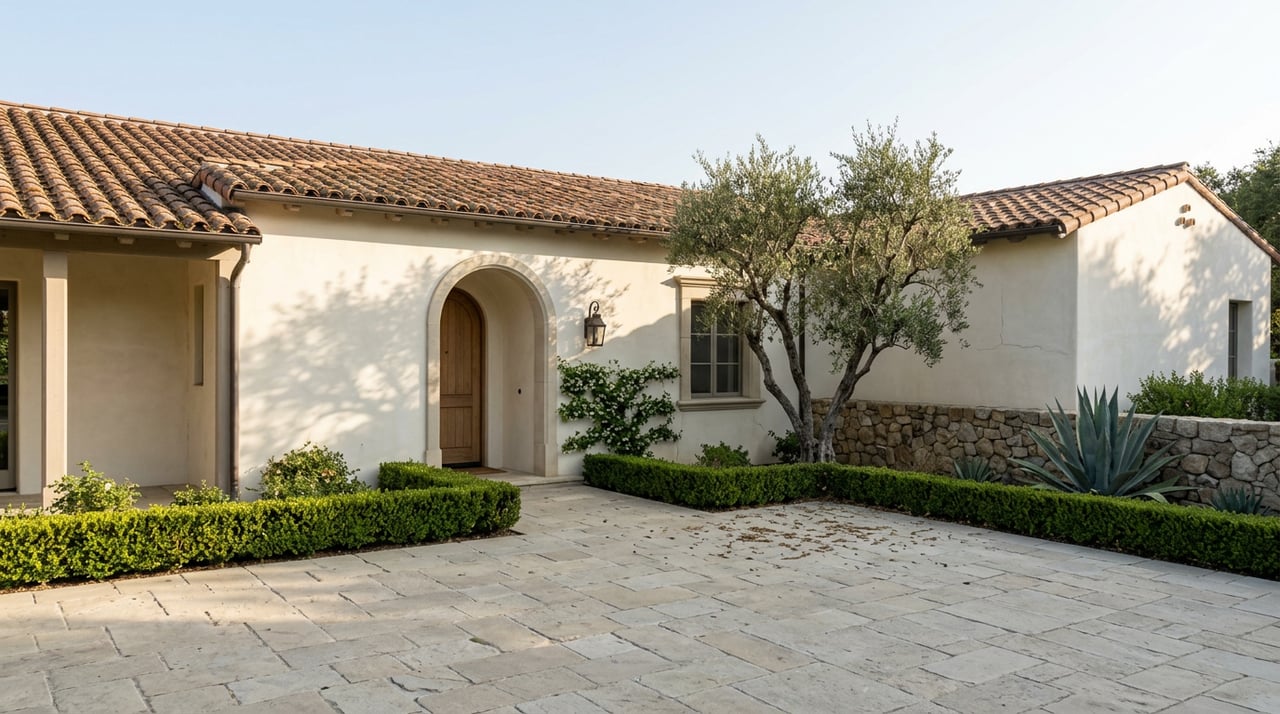
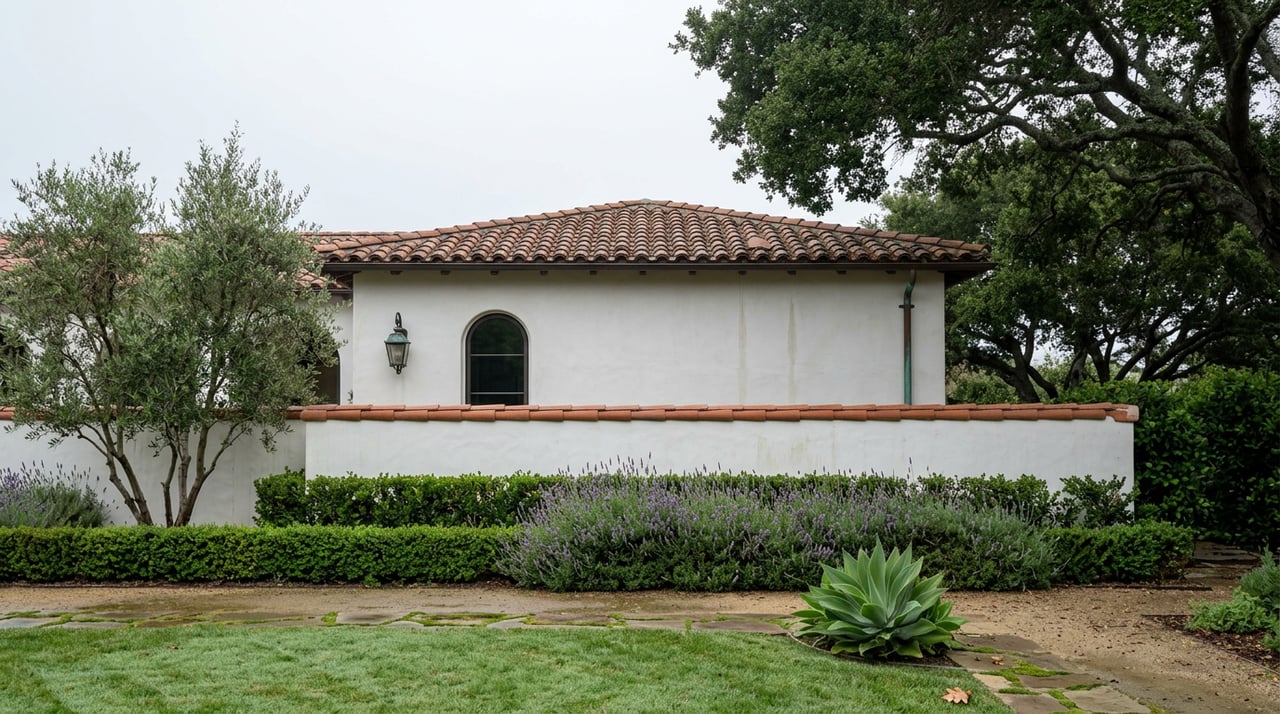
This is one reason some estates command stronger pricing than nearby alternatives. A property that preserves a sense of seclusion, respects view corridors, and feels visually grounded on the site can present a much more compelling value case than a larger home that feels exposed or overly imposing.
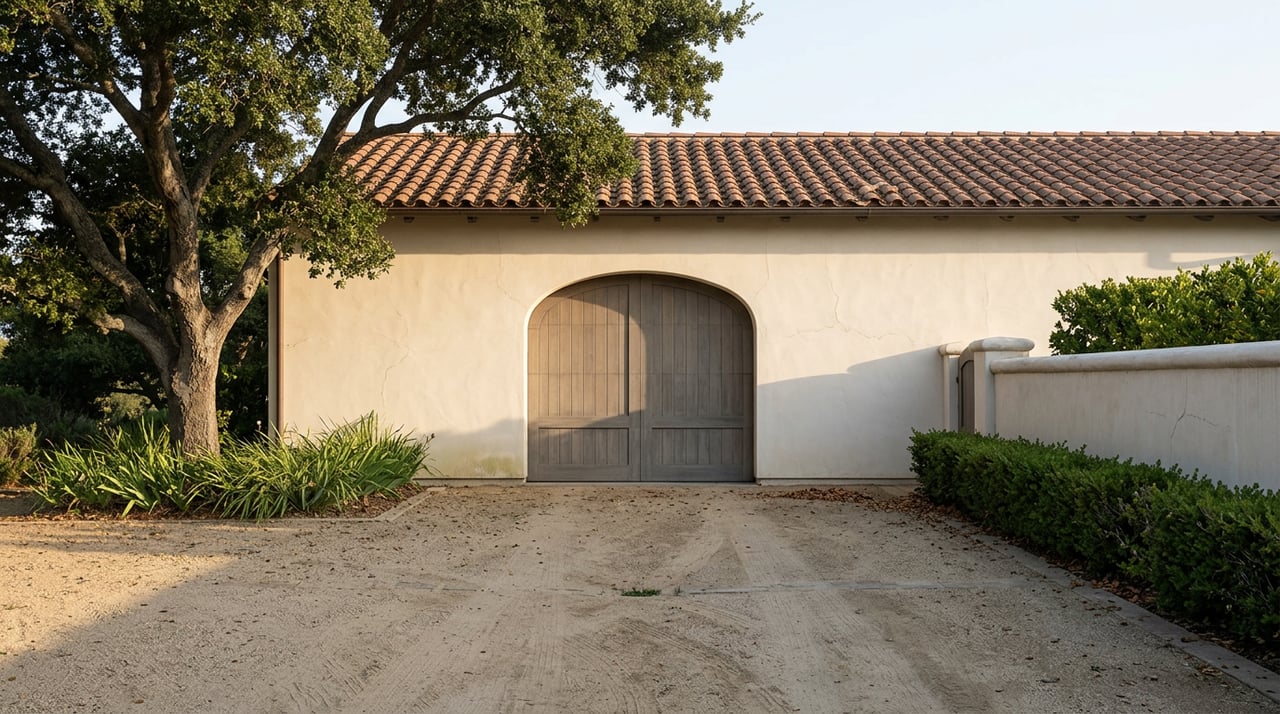
The plan also says new structures should be designed, sited, graded, and landscaped to minimize visibility from public roads. Parking areas should be screened from view wherever feasible.
That tells you something important about how value works in Montecito. Buyers often respond not only to the home itself, but to how gracefully it occupies the land. Architecture that works with the site can support pricing power in a way that square footage alone cannot.
Montecito’s standards emphasize floor area in relation to lot size, neighborhood compatibility, site topography, setbacks, easements, landscaping, protection of existing vegetation, and the visual impact of structures. The plan also states that excessive grading just to create or enhance views should not be permitted.
In practical terms, overbuilt homes can face value resistance. If a structure feels too large for the lot, too visible from the road, or too dependent on heavy site manipulation, a sophisticated buyer may discount it relative to a home that feels more balanced and site-sensitive.
The standards also limit certain new structures to an average height of 16 feet above finished grade when site preparation involves significant fill. That is another reminder that the land and the design are closely linked in Montecito valuation.
A polished kitchen and updated baths may help a home show well, but in Montecito, renovation quality should be judged more broadly. Local architectural and development standards apply not only to new projects, but also to major exterior remodels and teardowns.
Those standards address mass, scale, height, floor area relative to lot size, view protection, grading, site planning, privacy, landscaping, and screening of structures and parking. In other words, an update only adds lasting value if it fits the site and aligns with local requirements.
If you are buying, or preparing to sell, it helps to evaluate renovations with an investor mindset. Consider questions like:
A renovation that looks beautiful but ignores site realities may not deliver the same long-term value as one that is more thoughtful and fully aligned with the property.
In Montecito, fire resilience is not a side issue. It is part of ownership, maintenance, and valuation. Montecito Fire Department standards define a five-foot ember-resistant Zone 0 around structures, with Zone 1 extending from 5 to 30 feet and Zone 2 from 30 to 100 feet.
The department says its fire hazard maps guide homeowners and design professionals, and it is conducting property inspections beginning June 1, 2026. Property owners generally have about two to three weeks to correct hazards after receiving a violation notice.
Montecito Fire Department also reports that it conducts about 200 defensible-space surveys each year, focusing on vegetation, structures, access, and topography. That suggests fire readiness is an ongoing operating issue, not a one-time checklist item.
CAL FIRE’s State Fire Marshal explains that Fire Hazard Severity Zone maps evaluate hazard, not risk. The maps are based on vegetation, terrain, climate, ember production and movement, and fire history.
That helps explain why two homes with similar interiors can carry different site burdens. A brush-adjacent lot or steep hillside parcel may require more ongoing attention than a more straightforward site, and that should factor into how you judge value.
Estate ownership in Montecito also comes with water considerations. Montecito Water District says its water budgets are property-specific tools that account for indoor use, outdoor irrigation, historic weather, landscaping, and even pools, while helping maintain the community’s semi-rural atmosphere.
The district serves Montecito and Summerland and reports about 4,600 service connections. For larger properties, this is a useful reminder that landscaping, irrigation design, and outdoor amenities are not just aesthetic choices. They can influence ongoing operating costs and the overall efficiency of the estate.
Montecito is a high-price, low-volume market, which means broad statistics can be noisy. The Santa Barbara Association of Realtors year-end 2025 Montecito chart showed 164 sales, a median sales price of $6.1925 million, 50 active listings, 6 pending sales, and 8.3 months of inventory.
Its March 2026 year-to-date chart showed 30 closed sales, a median sales price of $5.4 million, 59 active listings, 16 pending sales, and 3.7 months of inventory. Those numbers are useful, but they should be handled with care.
Redfin’s Montecito housing market page for May 2026 says the median sale price over the prior three months was $5.7 million, homes sold after 66 days on market, and the median sale price per square foot was $1.85K. It also says the average home sells for about 4 percent below list price and goes pending in around 60 days, while some homes attract multiple offers.
In a market with relatively few luxury closings, a small number of notable sales can shift the median. That is why investor-style valuation in Montecito should rely more on close property matches than on broad averages.
The strongest comparisons usually come from the same sub-area, similar lot type, similar condition, and a similar level of site usability. A coastal parcel, a central estate lot, and a steep mountain property may all sit in Montecito, but they do not trade on the same logic.
If you want to evaluate Montecito estate value with more discipline, focus on these core filters:
The best Montecito value cases usually combine usable land, strong privacy, protected views, thoughtful renovation, and a site that does not fight local fire, water, or grading constraints. The weakest cases often involve overbuilt structures, difficult slopes, deferred maintenance, weak screening, or expensive compliance work that has not yet been addressed.
If you are buying or selling in Montecito, it helps to evaluate a property the way an investor would: calmly, locally, and with attention to the details beneath the surface. For a thoughtful, finance-informed perspective on Montecito estate value, connect with Marisa Garber.
Stay up to date on the latest real estate trends.


Marisa Garber delivers a sophisticated real estate experience rooted in local expertise, thoughtful strategy, and personalized service—guiding clients through Montecito’s market with confidence and ease.