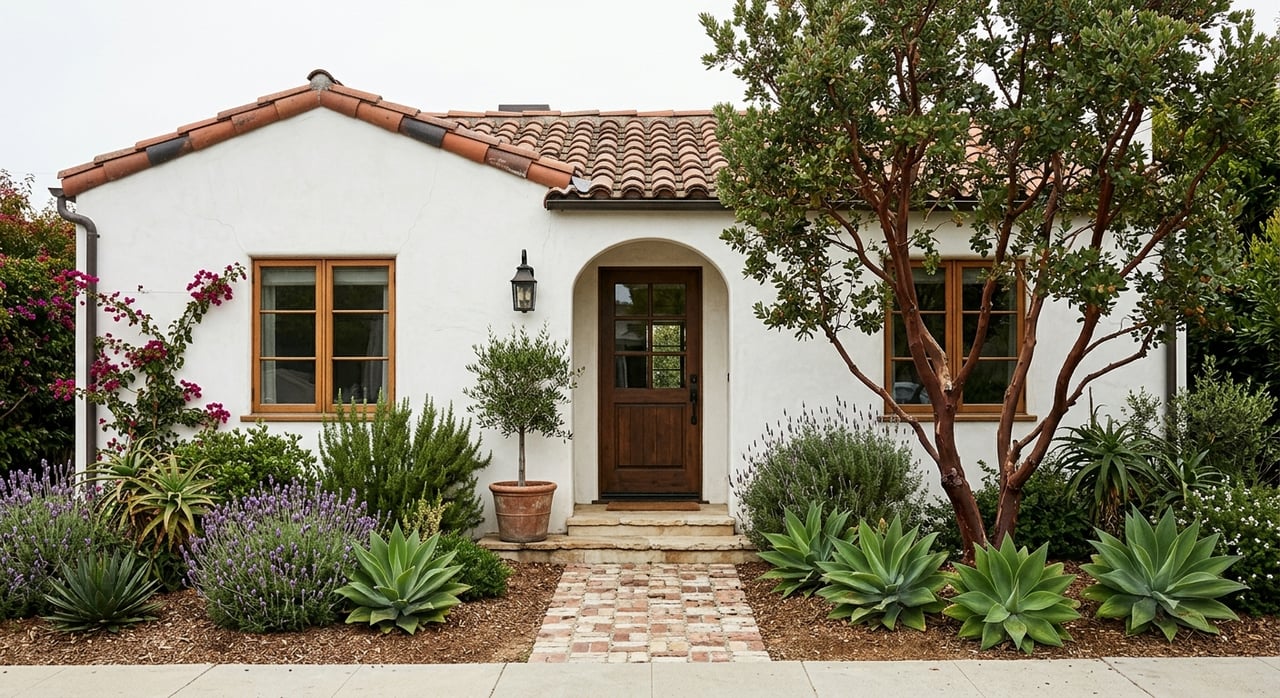
Summerland Beach Town Living and the Daily Rhythm
April 2, 2026
April 2, 2026
If you are drawn to coastal towns that feel personal instead of polished, Summerland stands out right away. Life here moves at a different pace, shaped by a small commercial core, easy beach access, and a hillside setting that makes the town feel both tucked away and connected. If you are considering a move, a second home, or simply want to understand what daily life really looks like, this guide will walk you through the rhythm of Summerland living. Let’s dive in.
Summerland is an unincorporated community in Santa Barbara County, located between Santa Barbara and Carpinteria. According to the Summerland Community Plan, most of the planning area sits within the Coastal Zone, and the plan was created to preserve the town’s distinctive character while guiding future development.
That character starts with the town’s scale. Summerland was originally subdivided in 1888 as a spiritualist community, with lots laid out at roughly 25 by 50 feet on a steep slope north of today’s U.S. 101. Those small lots and hillside constraints still shape how the community looks and functions today.
One of the biggest draws of Summerland is how manageable daily life can feel. The commercial center is concentrated along Lillie Avenue, and the county describes it as a narrow downtown area about one block deep and roughly five blocks long, with visitor-serving uses like restaurants, gift shops, inns, and antique shops.
That means many of the town’s everyday pleasures are close together. Instead of a long list of errands spread across a large suburb, Summerland offers a smaller routine centered around coffee, a meal, a beach walk, or a quick stop into a local shop.
Summerland is compact enough that you can often walk or bike to the commercial area or shoreline. The community plan also supports better pedestrian and bicycle connections to coastal paths and nearby communities, which reflects how important local mobility is to the town’s lifestyle.
That said, walkability is not the same on every street. The county notes that some residential streets have narrow lanes and limited sidewalks, so the easiest on-foot experience is usually closer to the center of town rather than throughout every hillside area.
In a town this small, parking matters more than you might expect. The county plan discusses on-site parking standards for homes, driveway design, and commercial-core parking management, all of which point to a practical reality: everyday life in Summerland involves sharing a limited street network with residents and visitors.
This does not take away from the charm, but it does shape how you experience the town. If you are thinking about buying in Summerland, access, parking, and road layout are important details to consider alongside views, architecture, and proximity to the beach.
Summerland feels intimate, but it is not isolated. For regional trips, Santa Barbara MTD Line 20 serves the Santa Barbara, Summerland, and Carpinteria corridor, offering a public transit option for errands or car-light days.
For many residents, though, transit is more of a supporting option than the center of daily life. The town functions primarily through its compact layout, local roads, and easy access to neighboring coastal communities.
The shoreline is a major part of what gives Summerland its personality. Summerland Beach at Lookout Park is about 6 miles south of Santa Barbara and offers barbecue pits, picnic tables, a volleyball court, a playground, restrooms, and dog leash rules.
That setup makes the beach feel useful for everyday living, not just occasional visits. You can plan a full afternoon there, meet friends for a casual outing, or make it part of a weekend routine without much effort.
Lookout Park is one of the features that makes Summerland especially livable. From the park, you can head down to the beach, relax above the shoreline, or use the area as an easy launch point for a longer coastal walk.
Because it combines open space with beach access, it supports a slower, more flexible kind of outdoor time. You do not need a full agenda to enjoy it.
From Lookout Park, you can also walk south to Loon Point, which Visit Santa Barbara describes as a local favorite known for tidepools and a surf break. That gives Summerland an outdoor routine that feels layered rather than one-note.
Some days might mean a quick beach walk. Other days might include tidepool exploring, surfing, or simply watching the water for a while before heading back into town.
Visit Santa Barbara also notes that Summerland Beach is the only beach on Santa Barbara’s South Coast where people can ride horses on the sand. The same source highlights paddle boarding, kayaking, and light swimming, which speaks to the town’s easygoing outdoor culture.
This is not a place defined by nonstop activity. Instead, outdoor life feels active in a relaxed, accessible way that fits the overall pace of the community.
Summerland’s food scene matches the town’s size. Visit Santa Barbara highlights spots such as Summerland Beach Café, The Nugget, Tinker Burger, Red Kettle Coffee, Feast at Field + Fort, and Godmothers Graze, with an emphasis on casual meals, breakfast and lunch options, and patio seating.
That mix supports a lifestyle where dining out feels easy and familiar. You are not choosing from endless options, but that is part of the appeal. The town’s scale creates a more personal, repeat-visit pattern.
Part of Summerland’s charm comes from where these businesses are located. Summerland Beach Café operates in a historic Victorian home, Feast at Field + Fort is set in a residential-style cottage, and Godmothers occupies a restored 1920s barn.
Those details matter because they reinforce the feeling of a town that has grown carefully over time. Even everyday stops often reflect the older, small-scale built environment that makes Summerland feel distinctive.
If you picture chain retail, Summerland will feel very different. The county plan describes visitor-oriented uses such as restaurants, gift shops, inns, and antique shops, while Visit Santa Barbara highlights businesses including Summerland Antique Collective, Mary Suding Antiques, The Well, Botanik, Bonita, Bikini Factory, Indian Summers, and Godmothers.
In practical terms, shopping here tends to center on antiques, home goods, gifts, and specialty items. That gives the commercial core a more curated feel and supports the town’s identity as a small coastal community rather than a large retail destination.
For anyone considering a purchase in Summerland, the housing pattern is important to understand. The county plan notes that the urban grid includes single-family, two-family, and design residential districts, along with a mobile home park south of Ortega Hill Road.
That mix suggests a residential environment shaped by small lots, duplexes, and hillside homes rather than large subdivision tracts. In addition, hillside and ridgeline development rules and low height limits are intended to protect views and neighborhood character.
The county plan also notes that development in the 1980s and 1990s raised concerns about buildings that were too large or out of scale for Summerland’s small lots. That history helps explain why the town still reads as intimate today, even when homes have been updated or designed around coastal views.
For buyers, that means Summerland often appeals because of proportion and setting as much as style. The value is not only in the home itself, but also in how the property fits into a compact, hillside beach town environment.
Summerland can be a strong fit if you want a coastal lifestyle with a smaller footprint and a more local rhythm. At the same time, it helps to evaluate the town with clear eyes.
A few practical points to keep in mind include:
If you are comparing Summerland with nearby coastal communities, these details can help you decide whether its rhythm fits the way you actually want to live.
Summerland offers something increasingly rare on the California coast: a town that feels compact, usable, and grounded in its original scale. You have beach access, local dining, small-scale shopping, and regional connectivity, but the overall experience stays restrained.
For many buyers, that balance is the point. Summerland is not trying to be expansive or busy. It offers a beach town rhythm that feels calm, scenic, and quietly practical.
If you are considering a move in Summerland or anywhere along the Santa Barbara coast, working with a local advisor can help you weigh lifestyle fit, property constraints, and long-term value with more clarity. To talk through your options, connect with Marisa Garber.
Stay up to date on the latest real estate trends.


Marisa Garber delivers a sophisticated real estate experience rooted in local expertise, thoughtful strategy, and personalized service—guiding clients through Montecito’s market with confidence and ease.