Santa Barbara Lifestyle Guide for Coastal or Hillside Living
March 5, 2026
March 5, 2026
Picture waking up to the sound of waves and a morning walk along Shoreline Park. Now picture coffee on a sunlit terrace with a wide sweep of ocean and city views. Both are classic Santa Barbara mornings, and both offer a different rhythm to your day. If you are deciding between a coastal or hillside home, you want more than pretty photos. You want a clear picture of daily life, tradeoffs, and what to check before you buy. This guide lays out the lifestyle, microclimate, access, design, and risk differences so you can choose with confidence. Let’s dive in.
Coastal-adjacent neighborhoods put you close to beaches, waterfront trails, and the harbor. You can step out for an easy jog, bike along Cabrillo, or meet friends at Stearns Wharf without planning a commute. The terrain is flatter, which makes errands and recreation simple.
The tradeoffs are practical. In peak season, you may see more pedestrian traffic and occasional parking pressure near beaches and event venues. Coastal zones also carry permitting overlays that can shape remodels and additions. For bluff-top parcels, long-term planning must consider sea-level rise and cliff retreat. The city’s studies model increased wave attack, bluff retreat, and beach loss over time, and hard armoring is tightly regulated in many cases. You can review the city’s summary of coastal vulnerability to understand the policy context and projections in plain language at the Santa Barbara sea-level rise summary site. Local coastal vulnerability studies outline these long-term considerations.
Hillside and foothill neighborhoods trade beachside bustle for privacy, panoramas, and outdoor living on decks and patios. Many upper slopes sit above the morning marine layer, so you may enjoy earlier sun and warmer terraces while lower coastal strips wake under fog.
Expect steeper streets and stairs, narrower roadways, and more driving for errands. You will want to confirm how a specific address handles daily access and emergency response. Fire agencies recently updated local Fire Hazard Severity Zone maps, and many hillside areas fall into higher categories. The County’s fire departments explain the new maps and how they affect properties.
Post-fire debris flow is also a real, well-documented hazard in foothill canyons. The 2018 Montecito event shows how burned slopes combined with heavy rain can create fast-moving flows. If you are considering a canyon or alluvial fan location, review local mapping and ask targeted questions. The USGS details the 2018 Montecito debris-flow dynamics and damage.
Santa Barbara’s south-facing coastline and the Santa Ynez range create strong microclimates. The marine layer often forms overnight and burns off through the morning, while the Catalina eddy can reinforce shore-hugging fog. That is why one street can sit in mist while a neighborhood a few hundred feet higher is in full sun. Catalina eddy research from Scripps explains the pattern and why it persists.
What it means for daily life:
Both settings come with specific permitting and upkeep.
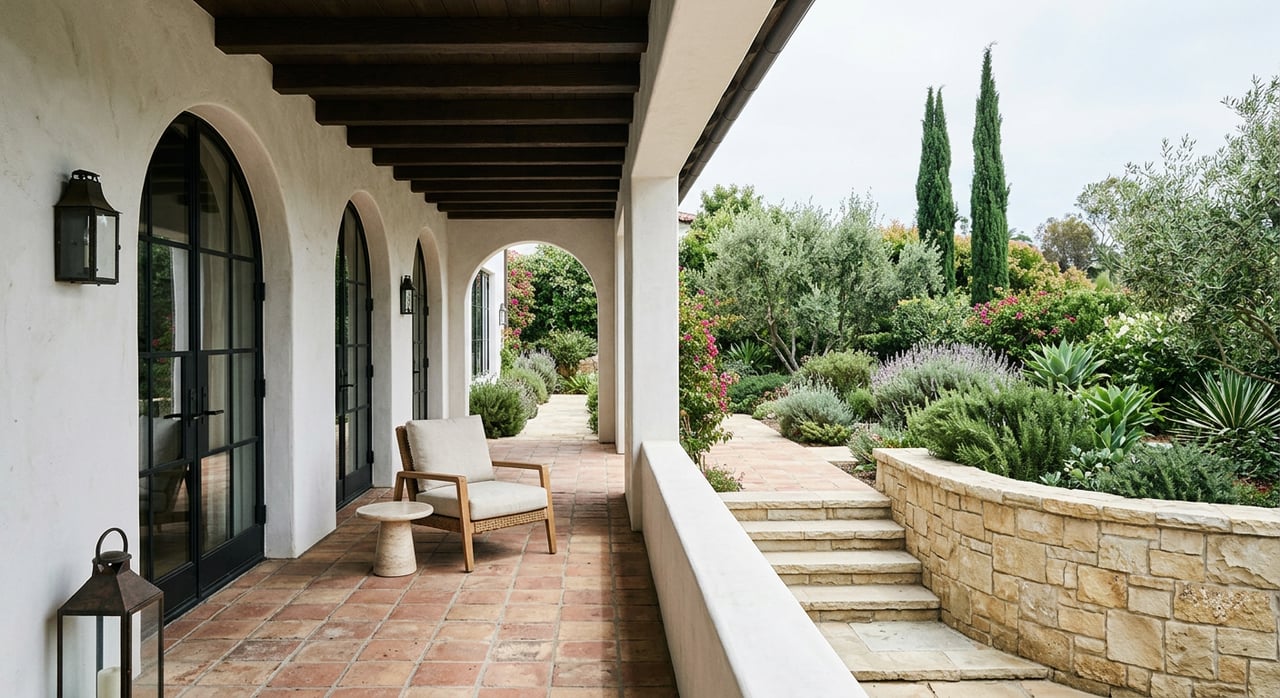
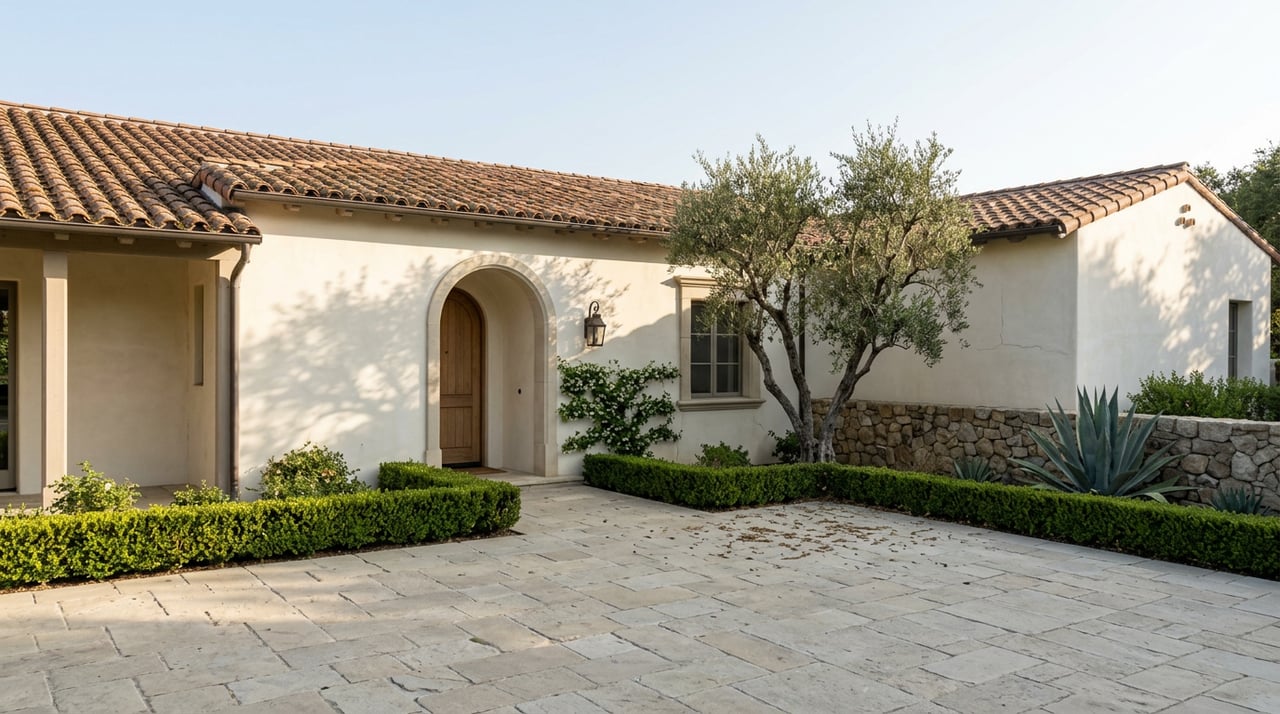
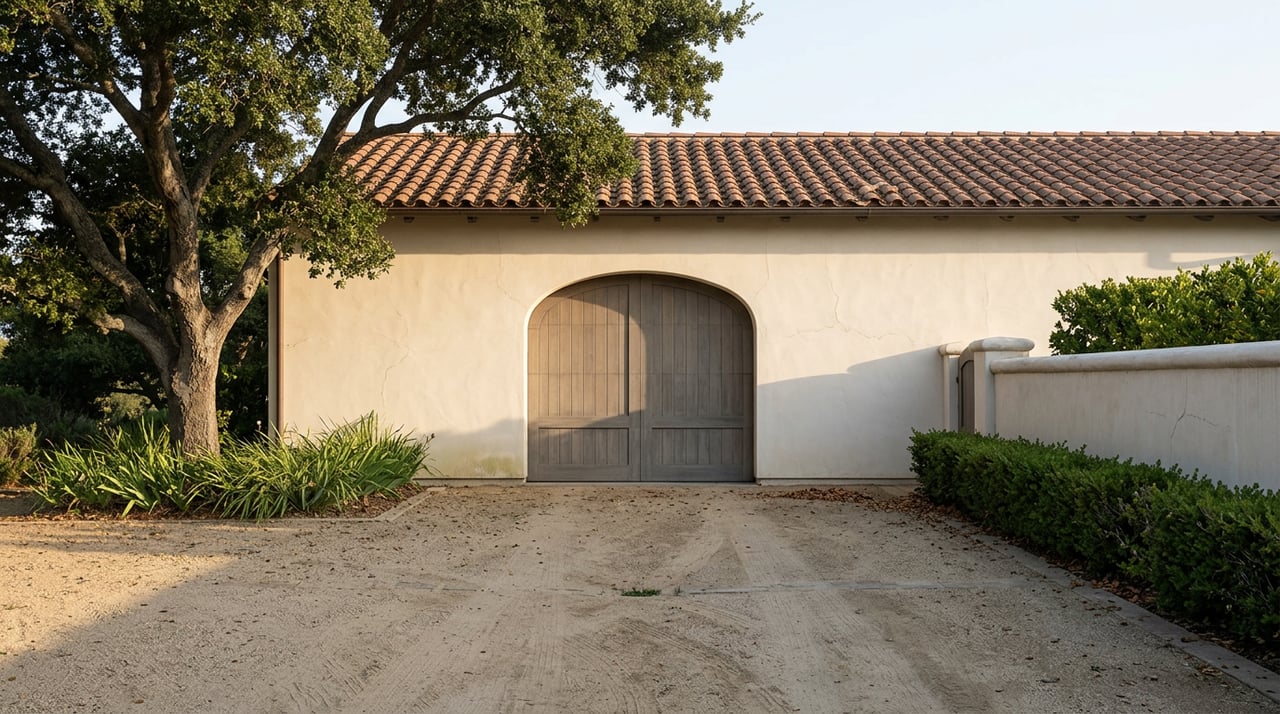
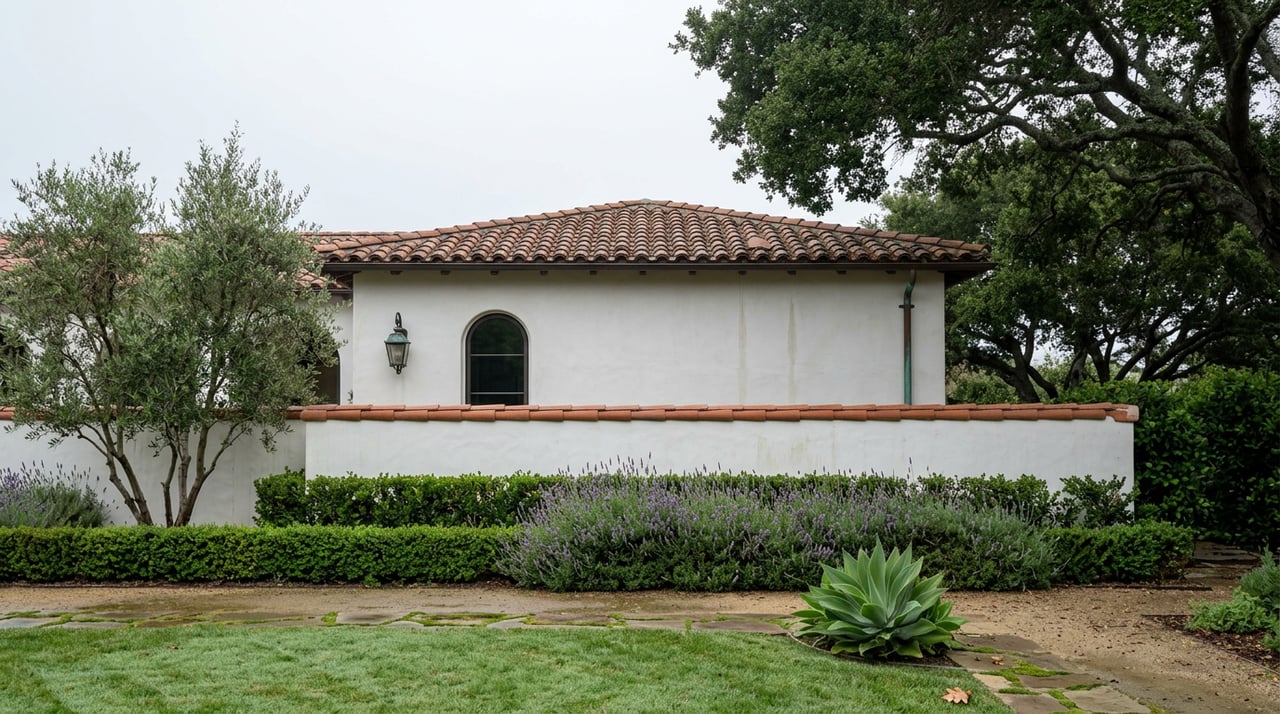
Santa Barbara’s architectural language leans Spanish Colonial and Mediterranean, especially in and near designated districts where white stucco, red tile roofs, and arched openings are common. In the hills, you will also find mid-century moderns and custom homes designed for slope and view, often with terraces and retaining walls. You can see how the City’s design code frames style groups and review processes.
Use this quick checklist to compare a specific address on the coast or in the hills. Where possible, verify with original sources or request documents during due diligence.
Choose coastal if you want effortless beach access, flatter terrain, and a casual, walk-friendly rhythm. Plan for coastal permitting and proactive maintenance to manage salt and weather exposure. Take the long view on sea-level policy and bluff conditions if you are on or near the edge.
Choose hillside if you value privacy, big views, and sunnier mornings. Budget for slope-specific upkeep and review fire, access, and debris-flow considerations early. Confirm that your preferred streets and driveways work for daily life and emergency standards.
If you love both, consider a compromise zone that sits slightly above the fog but still offers reasonable access to the waterfront. Your exact block and elevation can change the daily experience.
Ready to compare specific addresses with a clear framework and an investment lens? Connect with Marisa Garber for a calm, data-aware approach to Santa Barbara and Montecito living.
Stay up to date on the latest real estate trends.


Marisa Garber delivers a sophisticated real estate experience rooted in local expertise, thoughtful strategy, and personalized service—guiding clients through Montecito’s market with confidence and ease.