Carpinteria Living For Coastal Families And Second Homes
April 23, 2026
April 23, 2026
If you are looking for a coastal town that feels easy to live in day to day, Carpinteria deserves a closer look. For some buyers, it offers a practical primary home base with beach access, local schools, and a compact downtown. For others, it stands out as a second-home market where you can enjoy the coast without needing a long list of moving parts. Let’s take a closer look at what living in Carpinteria can actually feel like.
Carpinteria is a small coastal city in southern Santa Barbara County, about 12 miles southeast of Santa Barbara. According to U.S. Census QuickFacts, the city had an estimated 12,876 residents in 2024 and just 2.59 square miles of land area, which helps explain its compact scale.
That smaller footprint shapes daily life in a real way. The city describes Carpinteria as a coastal community with small-town charm, beaches, and mountain views, with the Pacific forming its southern edge and elevations rising from sea level to about 700 feet. You are not just buying near the beach here. You are buying into a town where the shoreline, downtown, and open space are closely connected.
One of Carpinteria’s biggest strengths is how simple a normal day can feel. Because the city is compact, many of the places you may use most often sit close together.
A realistic weekly rhythm might include a beach walk in the morning, errands or lunch along Linden Avenue, and an afternoon stop at a local park or trail. That sense of convenience is part of the appeal for both full-time residents and second-home owners who want a place that feels manageable.
Linden Avenue is the town’s central corridor and main street. The city notes that it connects downtown to the beach and includes storefronts and a mix of commercial uses, with the visitor center located in Linden Plaza on the 800 block of Linden Avenue for maps, recommendations, and local information.
This corridor also gives Carpinteria much of its community feel. The downtown area includes the Amtrak station at 475 Linden Avenue, and city materials note that Linden Avenue regularly hosts events such as the California Avocado Festival and the Holiday Spirit Parade. For you as a buyer, that means downtown is not just functional. It is also a place where local activity tends to gather.
If you are considering Carpinteria as a full-time residence, local infrastructure matters. The Carpinteria Unified School District schools page outlines local elementary, middle, and high school options, which can be a useful starting point as you evaluate logistics for your household.
The town’s scale also helps with daily planning. In a market where some coastal communities can feel spread out, Carpinteria offers a more contained pattern of living that many buyers find appealing.
In Carpinteria, the shoreline is not a side feature. It is one of the main reasons people choose the area.
The city says City Beach, State Beach, and Rincon Beach run along the southern border, reinforcing how directly the coast shapes the local environment. That creates a lifestyle where the beach is part of the weekly routine, not just a special outing.
Carpinteria State Beach is the signature outdoor amenity. California State Parks describes it as a mile-long shoreline with terraced bluffs and dune areas, with opportunities for swimming, surf fishing, tidepool exploring, and camping.
That range of uses matters if you are weighing Carpinteria for family living or a second home. A beach that supports different types of activity can make the town feel useful across seasons, not just during summer weekends.
At the beach end of Linden Avenue, the same state parks resource also highlights the Tomol Interpretive Play Area. That gives the beach area another layer of everyday value, especially if you want outdoor spaces that support both recreation and time spent lingering.
Carpinteria’s appeal goes beyond sand and surf. The city’s park and open-space system gives you several ways to enjoy the coast and nearby habitat without needing to go far.
According to the city’s parks and open space resources, Carpinteria Bluffs Nature Preserve connects to the Coastal Vista Trail and is used for ocean views, birding, and whale watching. Salt Marsh Nature Park includes walking trails and interpretive signage in a rare Southern California salt wetland, while Tar Pits Park offers bluff-top views, hiking, biking, and access toward the harbor seal rookery.
An honest picture of Carpinteria should also include the practical side of living by the ocean. The city maintains seasonal protections and shoreline management efforts that reflect how closely recreation and habitat exist side by side.
For example, the city closes the harbor seal rookery beach area near Casitas Pier each year from December 1 through May 31 to protect pupping seals, with viewing directed from the bluff-top trail, as outlined on the city’s seal watch information page. The city has also published notices about winter sand berm work at City Beach. For buyers, that is a useful reminder that coastal living here includes both access and stewardship.
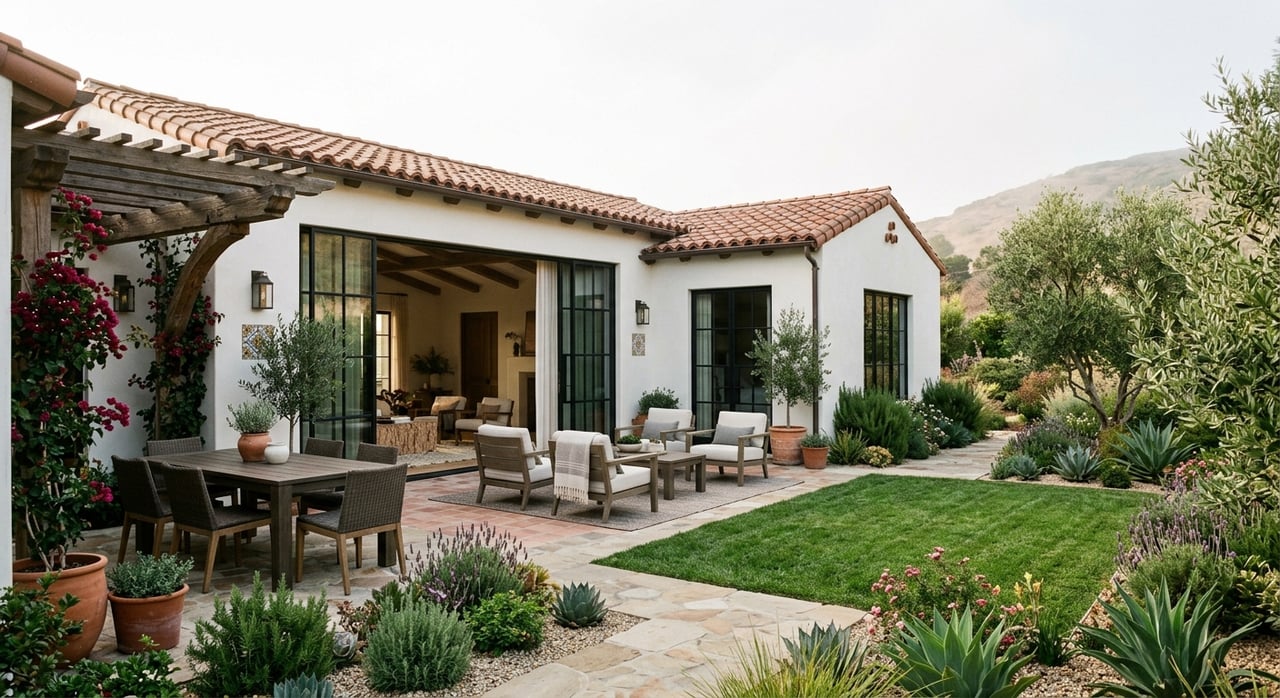
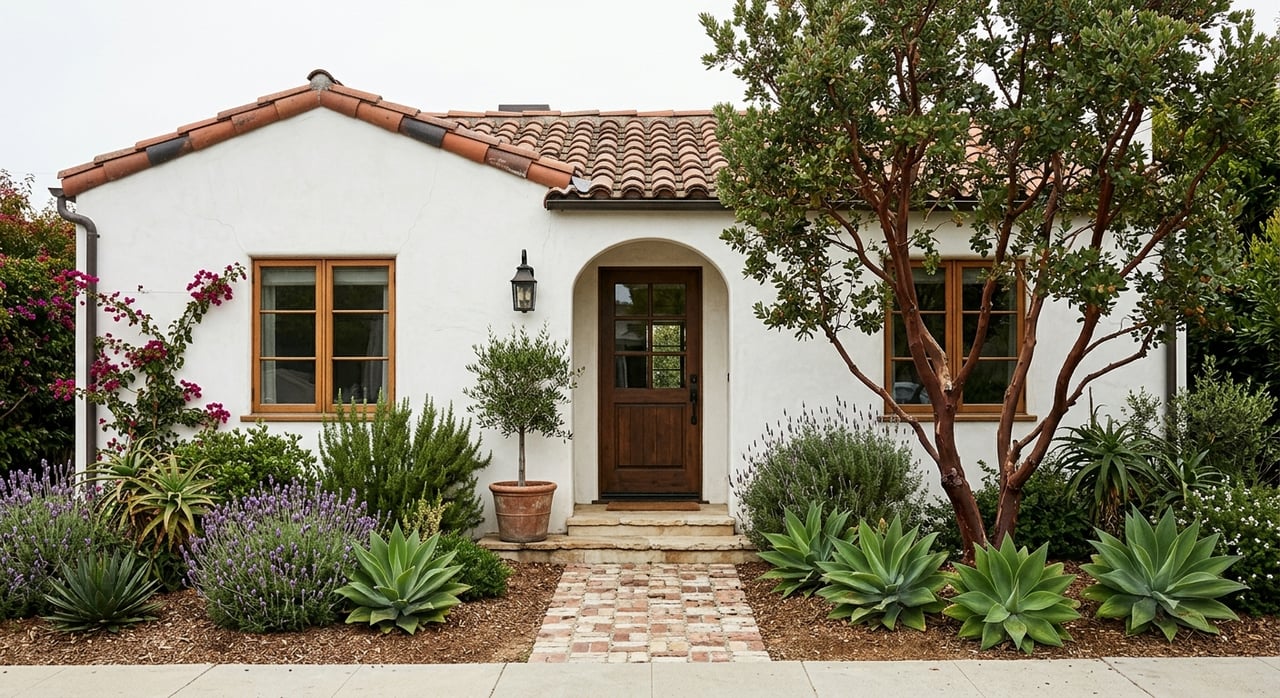
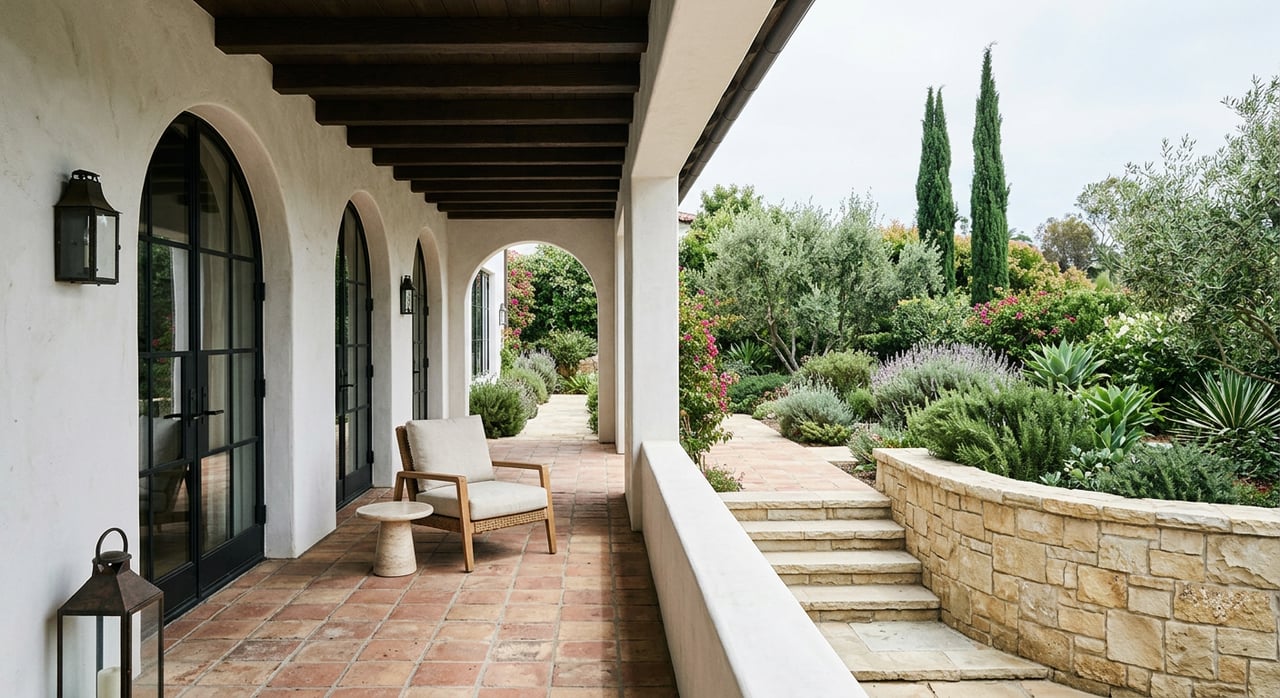
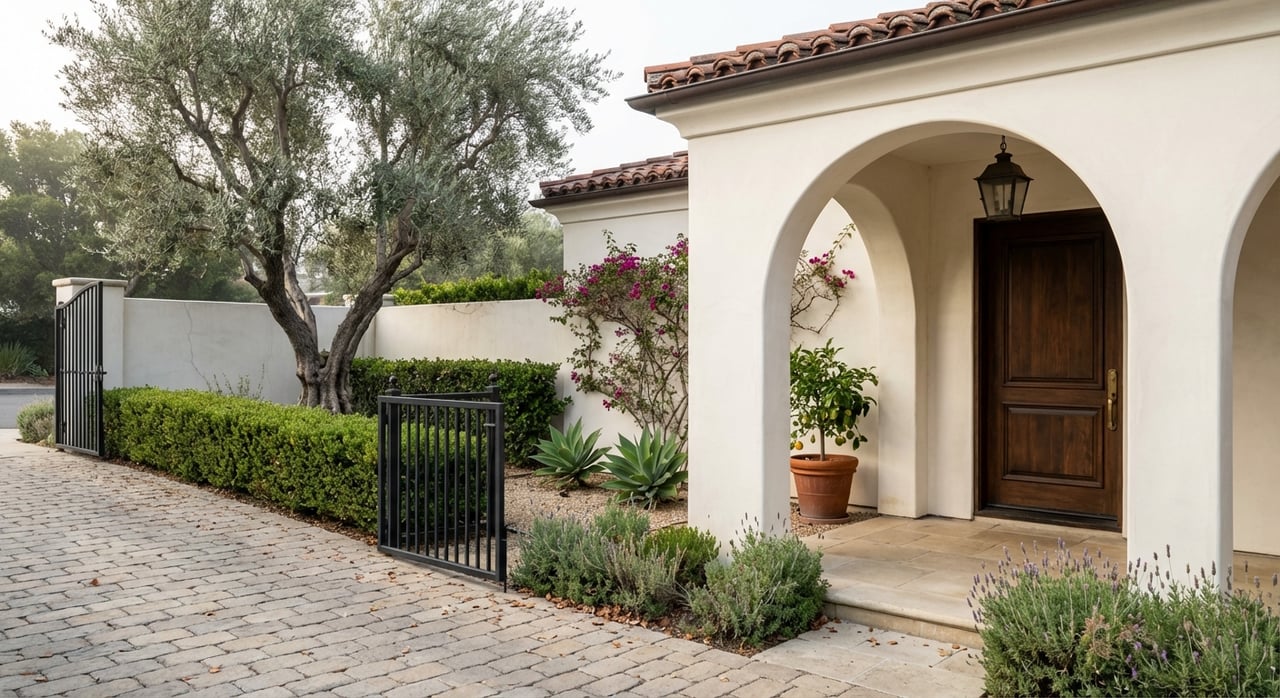
Carpinteria does not offer just one housing type, which is part of what makes it appealing to a broad range of buyers. Depending on where you focus, you may find beach-adjacent cottages, suburban single-family homes, or housing closer to downtown’s pedestrian-oriented core.
The city’s planning materials describe a residential pattern shaped largely by development from the 1950s through the 1980s, with much of the community made up of primarily single-family neighborhoods. At the same time, downtown includes pedestrian-friendly streets, street trees, storefronts, and a range of housing types, according to the city’s housing element technical report.
If you are especially drawn to a classic coastal look, the Beach Neighborhood stands out. The city’s Beach Neighborhood design guidelines say this area, next to Carpinteria City Beach and Carpinteria State Beach, is intended to reinforce a small beach town image.
Those guidelines reference original beach bungalows and Craftsman-style cottages, while encouraging compatible rooflines, porches, and modest scale for new development. For second-home buyers in particular, that architectural consistency can be part of the draw.
For buyers thinking beyond the main house, Carpinteria also offers a practical point of flexibility. The city provides free preapproved ADU prototype plans in California Ranch and Coastal Cottage styles.
That can be useful if you are considering guest space, multigenerational living, or a property setup with more than one function. It does not remove the need for project-specific planning, but it does show that the city has considered ways to support added residential flexibility.
If you are evaluating Carpinteria from both a lifestyle and investment perspective, housing data helps frame the market. The latest Census QuickFacts show a 61.5% owner-occupied housing rate, a median owner-occupied home value of $1,043,100, and a median gross rent of $2,377.
Those figures suggest a largely owner-occupied coastal market with relatively high housing values. For primary-home buyers, that can point to a stable residential base. For second-home buyers, it helps reinforce that Carpinteria is not simply a transient beach stop, but a real community with lasting demand.
For many households, Carpinteria’s strongest advantage is balance. You get direct coastal access, local school options, parks, and a town center that supports everyday routines.
That combination can be especially appealing if you want a primary residence where weekends feel relaxed but weekdays still work smoothly. In practical terms, Carpinteria gives you a coastal setting without requiring you to build your life around constant driving between disconnected places.
Carpinteria also makes sense for buyers looking for a second home with long-term usability. Its compact layout, beach access, and established residential character can make ownership feel more straightforward than in larger or more fragmented coastal markets.
If you are thinking through that decision, it helps to weigh not just the view or the block, but also the town’s rhythm, housing flexibility, and year-round function. In many cases, those factors shape satisfaction just as much as the property itself.
Whether you are searching for a full-time coastal home or a second property that fits your lifestyle and long-term goals, Carpinteria offers a compelling mix of access, charm, and practicality. If you want help evaluating neighborhoods, property types, and the tradeoffs that matter most in this part of the Santa Barbara coast, Marisa Garber offers calm, strategic guidance tailored to how you want to live.
Stay up to date on the latest real estate trends.
Marisa Garber delivers a sophisticated real estate experience rooted in local expertise, thoughtful strategy, and personalized service—guiding clients through Montecito’s market with confidence and ease.