Your Montecito Living Guide to Daily Life and Homes
February 19, 2026
February 19, 2026
What draws so many people to Montecito is simple: calm days, ocean light, and a village rhythm that feels both refined and low key. If you are weighing a move, you likely want more than pretty photos. You want to know how errands feel, where people gather, how the microclimate works, and what to watch during due diligence. This guide walks you through daily life, housing styles and pricing context, access to beaches and culture, and the practical realities that matter when you live here. Let’s dive in.
Montecito is an unincorporated community in Santa Barbara County with a population of 8,638 at the 2020 Census. Municipal services come from the county rather than a city government, which shapes how permitting and community standards work here. It sits on a narrow coastal plain backed by the south face of the Santa Ynez Mountains, which creates a Mediterranean climate and striking ocean and mountain vistas. The vibe blends privacy, garden estates, and a compact village core with boutiques and cafés, all within about 9 to 10 square miles.
Two hubs anchor everyday errands. Upper Village centers on San Ysidro Road and East Valley Road, with neighborhood markets, cafés, and small green spaces. Lower Village, often called the Coast Village Road corridor, is the main shopping and dining street with boutiques, bakeries, and restaurants. The Montecito Country Mart near the east end of Coast Village Road adds a cluster of shops and food options with convenient parking.
A longstanding local staple is the Pierre Lafond Market in Upper Village. It doubles as a deli and a friendly morning stop, especially on school days and weekends. If you live close to either village core, you may find many errands are a quick walk or a very short drive.
Mornings often start with coffee at neighborhood cafés, a quick grocery run, or an early trail workout. On Fridays, the Coast Village Road farmers’ market is a popular routine for flowers and produce. Afternoons lean outdoors with time at Butterfly or Miramar Beach, tennis, or a spa visit. Evenings tend to be relaxed dining with a growing set of intimate restaurants. Nightlife is quiet compared with Santa Barbara or Los Angeles, which many residents prefer.
Montecito’s pocket beaches are prized, small scale, and easy to love. Butterfly and Miramar Beach offer mellow walks, tide watching, and paddleboarding on calmer days. Public sand below the mean high tide line is open to all, but you must use designated public paths and street ends for legal access. Expect limited facilities and parking enforcement near access points, especially on weekends and holidays.
Montecito’s identity is tied to its gardens and low-key cultural calendar. Lotusland is a 37-acre, reservation-only botanical garden that many locals visit with out-of-town guests. Casa del Herrero, a historic Spanish Colonial house and garden, tells the area’s design story through docent-led tours. The Music Academy of the West brings summer concerts and year-round programs, adding a steady stream of classical music to the calendar.
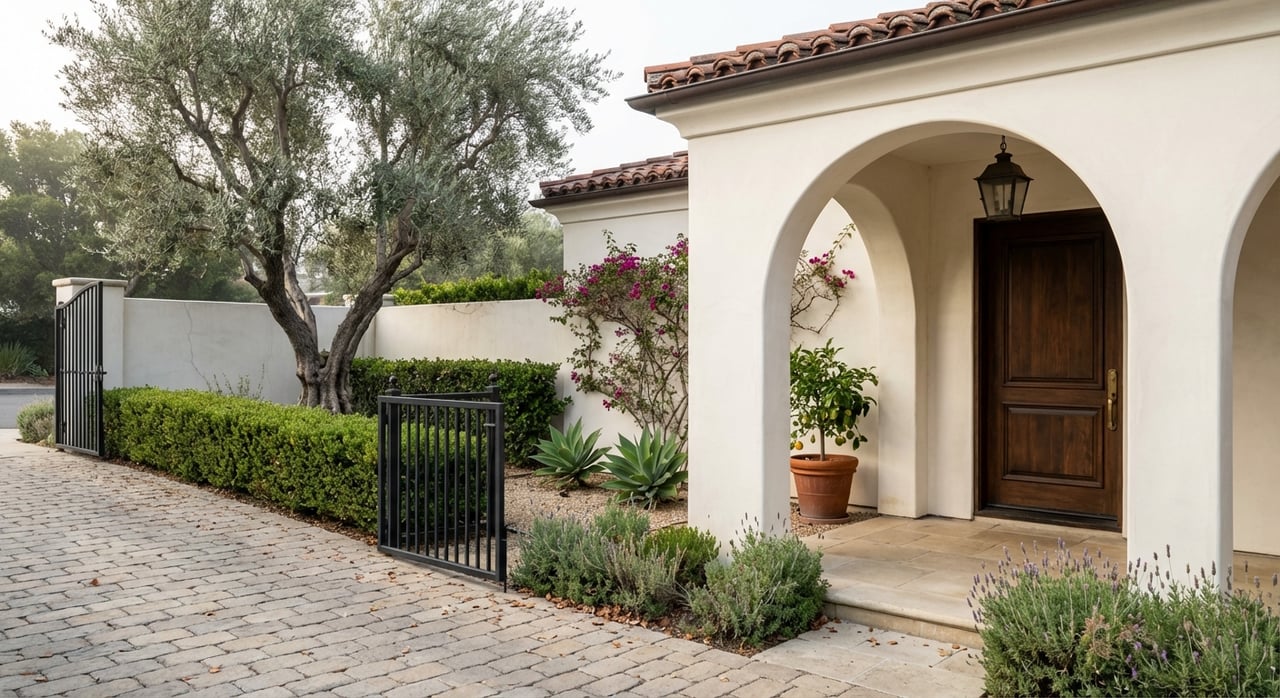
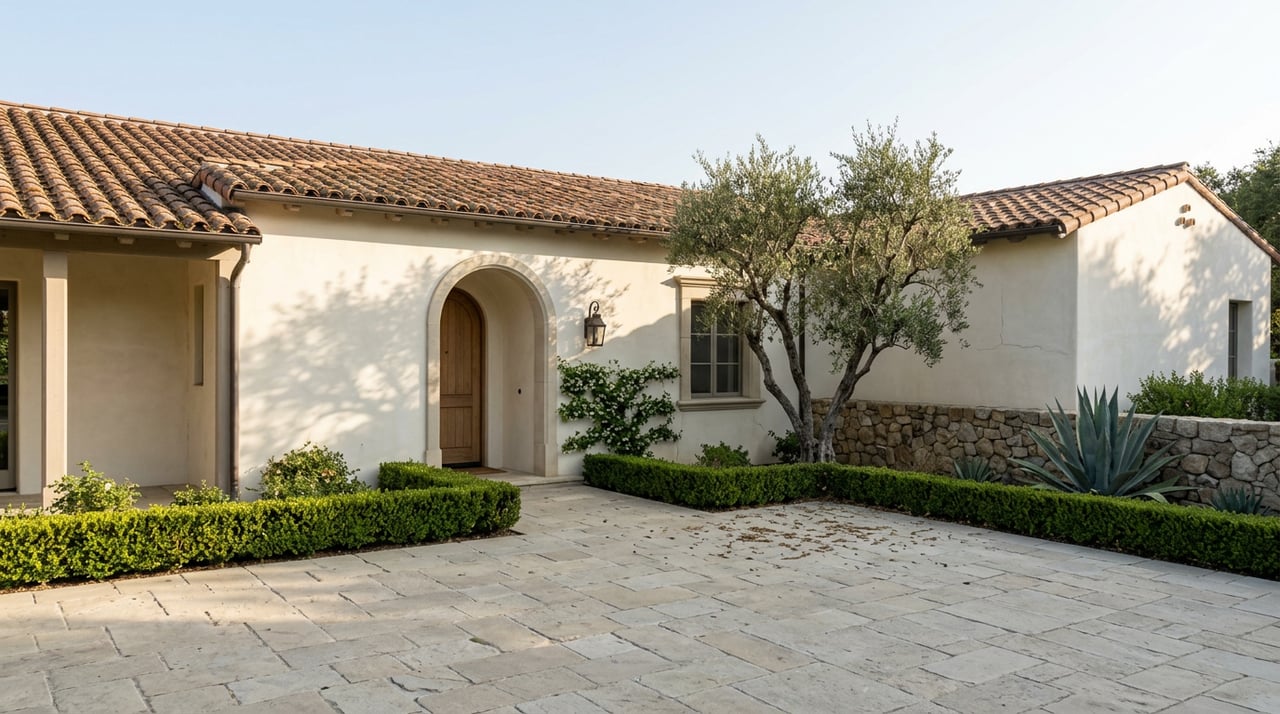
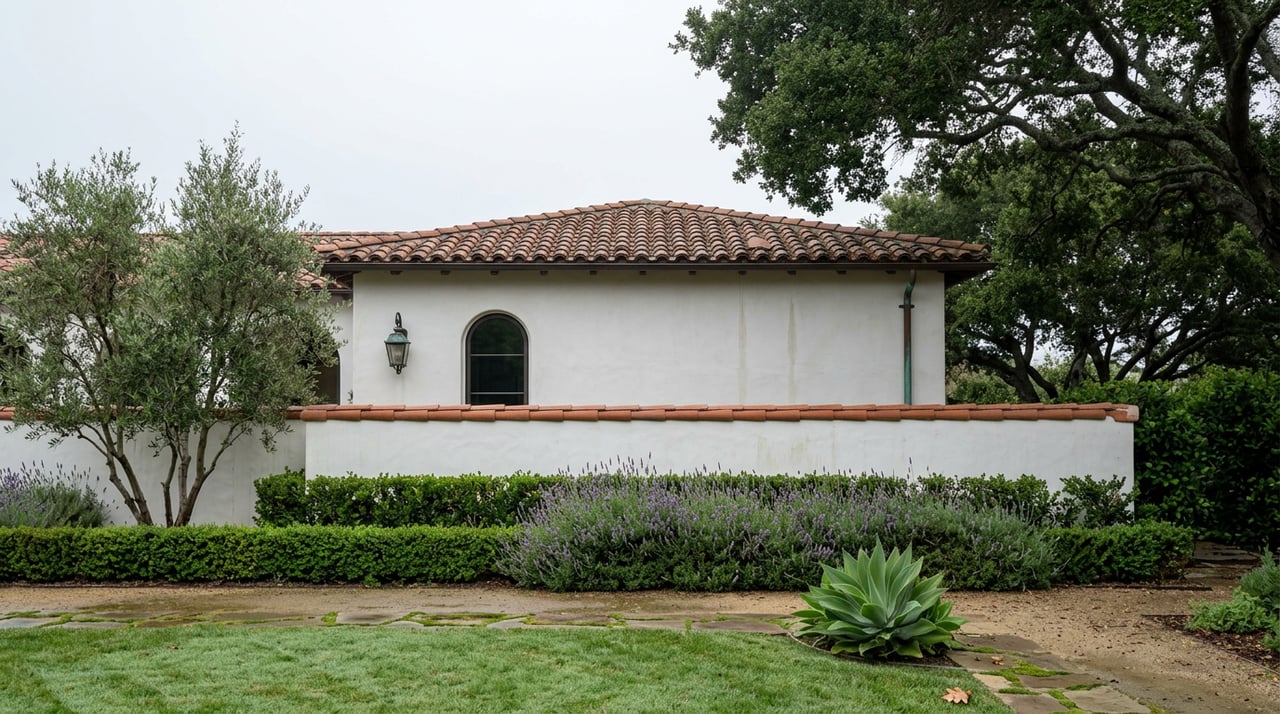
You will see a range of property types, from intimate cottages near Upper Village to multi-acre estates in the foothills and along the coast. Along the shoreline, addresses like Fernald Point Lane, Posilipo Lane, and the Miramar and Biltmore frontages are among the most private and valuable. Architecturally, Spanish Colonial Revival and Mediterranean styles are common, with ranch and contemporary estates in the mix. Mature trees, hedged lots, and formal or naturalistic gardens shape the look and feel of many streets.
Different data platforms report different figures, which is normal for a market with wide variation. As of late 2025, one national tracker reported a median listing price around $6.6 million, while other valuation measures can show lower medians because of different methods and geographic windows. In practice, many move-in-ready single-family homes start in the low millions, and a large share of sales are in higher brackets. Beachfront and multi-acre estates often trade in the high single digits to tens of millions. Always rely on current, address-level MLS comparables when you are ready to act.
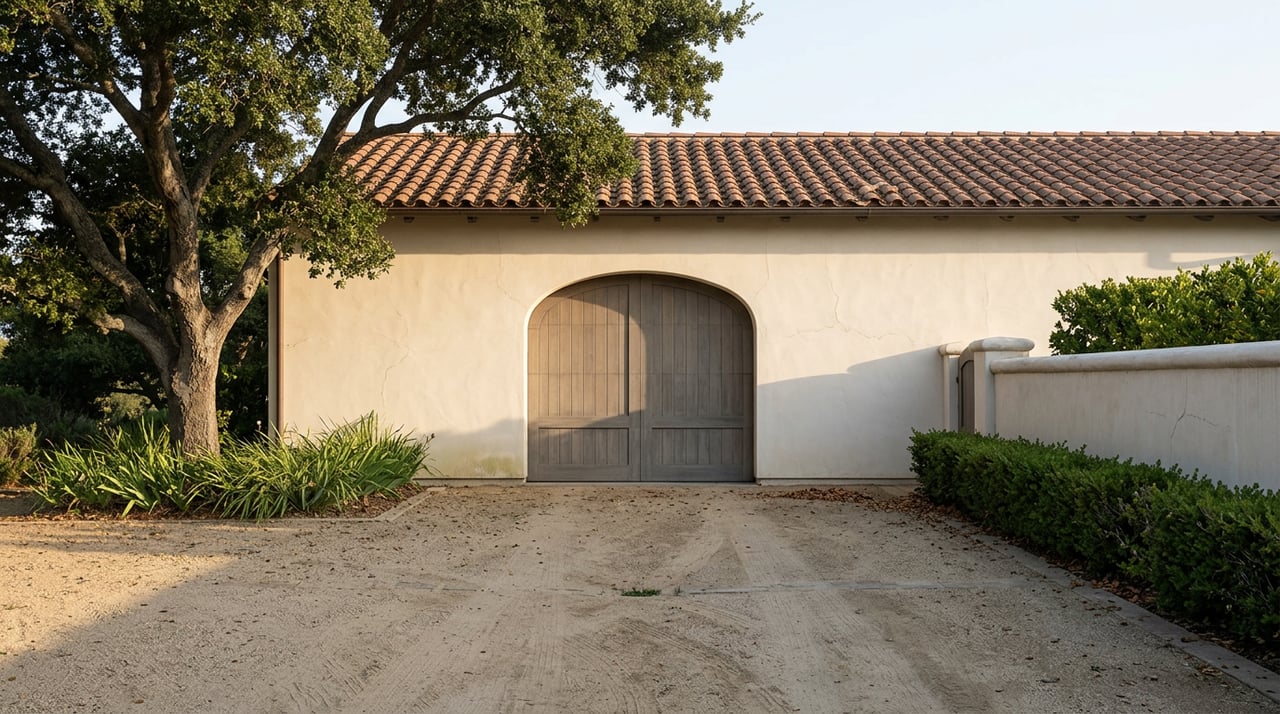
Expect layered landscaping, terraced yards on hillside parcels, and a mix of updated homes and properties ready for renovation. Many estates have gated entries and long drives that add privacy. On older properties, look closely at systems and any historic details that drive maintenance needs. On parcels near creeks or on alluvial fans, ask for documentation related to post-2018 remediation, drainage, and any slope or setback considerations.
Montecito’s ocean-to-mountain span creates noticeable microclimates. Closer to the coast stays a bit cooler, while the foothills run warmer and sunnier, which affects landscaping, pool use, and evening patio time. Clear days can deliver both ocean and mountain views from many neighborhoods.
Wildfire and post-fire runoff hazards are part of the local risk picture. The January 9, 2018 event is a defining moment for community planning, with documented loss of life and property damage. If you are evaluating a property, review local hazard maps, debris-basin networks, and insurance history, and ask about parcel-specific mitigation after 2018. The USGS analysis of the 2018 debris flow is a helpful reference for understanding how flows behaved on alluvial fans.
The car is the primary mode, with U.S. 101 just south of town for regional access. Santa Barbara’s Amtrak station and Santa Barbara Municipal Airport serve rail and flights. Local bus routes connect Montecito with Santa Barbara and Carpinteria, and schedules are available through Santa Barbara MTD. Trips to downtown Santa Barbara are usually minutes, while Los Angeles runs about 1.5 to 2 hours depending on traffic.
Fire and EMS services are provided by the Montecito Fire Protection District, which participates in regional wildfire and evacuation planning. Community preparedness remains a priority given 2018’s impact. The main acute-care hospital is in nearby Santa Barbara. For land-use and permitting, Santa Barbara County is the governing body, and local civic advocacy is active through the Montecito Association.
Public elementary options in the Montecito area are small, single-school districts. Secondary grades are served by Santa Barbara Unified, and Westmont College sits above Montecito. Always verify boundaries and enrollment rules directly with the districts for any specific address. Keep in mind that enrollment policies and attendance zones can change, and some schools may have capacity limits.
Community life leans discreet and low key. Expectations favor privacy, quiet streets, and a garden-forward lifestyle. Social life often centers on small gatherings, charitable events, resort dining, and cultural programming rather than a late-night bar scene.
Living in Montecito feels both effortless and intentional. You get village convenience, gardens and privacy, top-tier outdoor access, and a strong cultural calendar, set against a market defined by limited inventory and meaningful micro-differences street by street. If you want to explore the fit for your lifestyle and investment goals, reach out for a calm, data-informed path forward. Marisa Garber is here to help.
Stay up to date on the latest real estate trends.


Marisa Garber delivers a sophisticated real estate experience rooted in local expertise, thoughtful strategy, and personalized service—guiding clients through Montecito’s market with confidence and ease.